Key Takeaways
Rabies is 100% fatal and has no cure once symptoms appear — in humans or animals. The rabies vaccine is the only protection. Here. Free WhatsApp consultation.
Cat & Dog Rabies Vaccine: Mandatory, Schedule & Price 2026
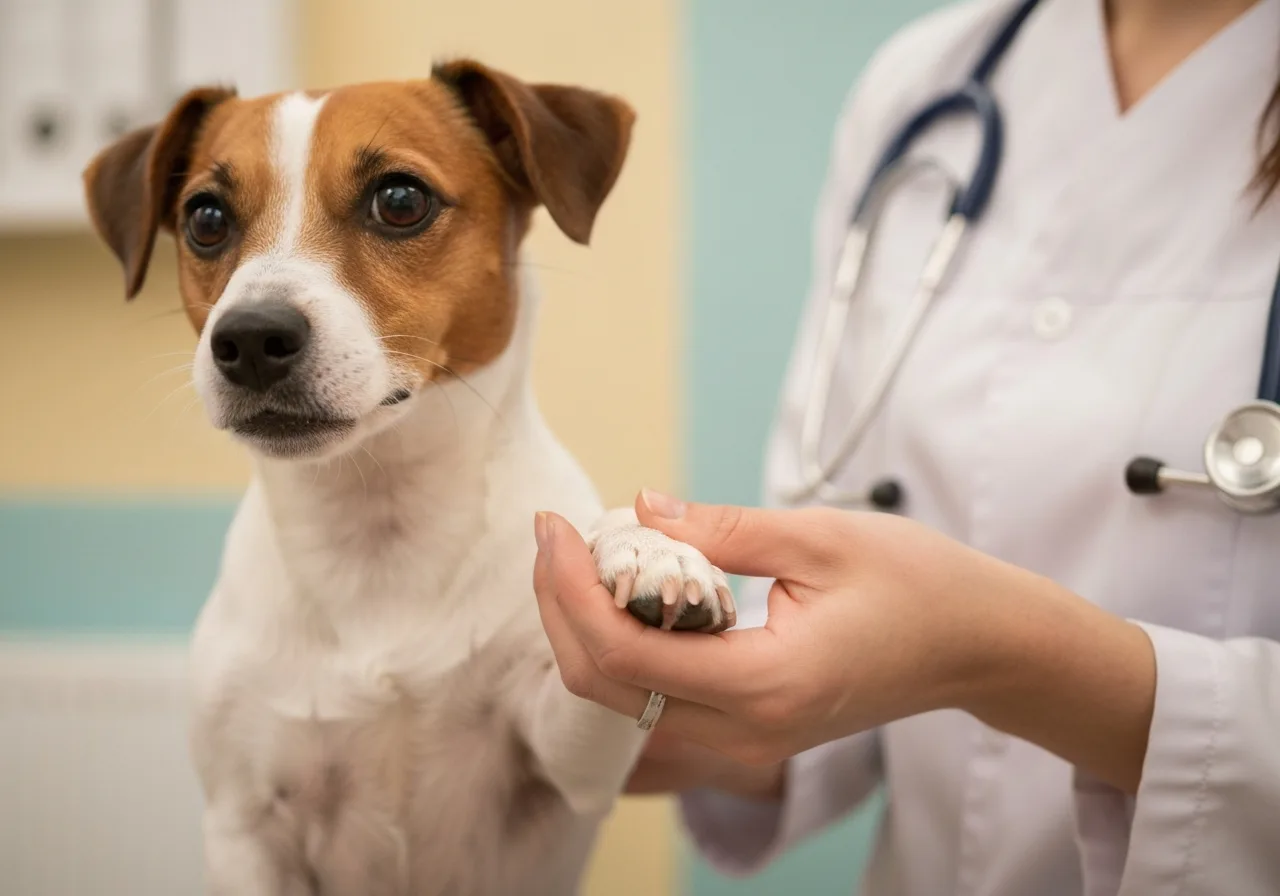
Rabies is the only zoonotic disease (transmitted from animals to humans) with a 100% fatality rate once symptoms appear — in humans and animals alike. There is no treatment, no antidote after clinical signs develop.
The good news: the rabies vaccine provides highly effective protection. And in Jakarta, it is also a legal requirement.
Rabies Facts You Should Know
Don't Wait Until It's Too Late!
What Makes Rabies Dangerous
- The incubation period can range from 2 weeks to several months — animals look healthy but are already infectious
- Spread by bites or scratches that break the skin — saliva of an infected animal enters the wound
- Once symptoms appear in humans: 100% fatal, nothing more can be done
- Indonesia is rabies-endemic, except for DKI Jakarta, Papua, and a few islands
What Keeps Us Protected
- The rabies vaccine in animals is >99% effective when scheduled correctly
- Mass vaccination of pets has been proven to break the chain of transmission in the community
- Post-exposure rabies vaccine (VAR) in humans after a bite is effective if given before symptoms appear
- Jakarta maintains its rabies-free status partly thanks to active vaccination programs
The Correct Rabies Vaccine Schedule
| Animal | First Dose | First Booster | After That |
|---|---|---|---|
| Cat | 12 weeks (3 months) | 12 months after the first dose | Every 1–3 years |
| Dog | 12 weeks (3 months) | 12 months after the first dose | Every 1–3 years |
| Adult animal (never vaccinated) | Any time | 12 months later | Every 1–3 years |
Rabies Symptoms in Animals — Recognize Them Early
Prodromal Phase (first 2–3 days)
Subtle behavior changes: a friendly dog/cat suddenly becomes withdrawn, or a normally shy one becomes very clingy. Restless, loss of appetite, mild fever.
Furious Phase (2–4 days)
The animal becomes abnormally aggressive — biting without provocation, biting objects, extreme restlessness. Sensitive to light and sound. This is the most dangerous phase for transmission.
Paralytic Phase (2–4 days)
Progressive paralysis starting at the bite site. Difficulty swallowing, mouth open, excessive drooling. Death occurs from respiratory failure. There is no treatment in this phase.
What to Do If Bitten by an Animal
- Wash the wound IMMEDIATELY with soap and running water for at least 15 minutes — this is the most important step and significantly reduces transmission risk
- Apply antiseptic (betadine, 70% alcohol) after washing
- Go to the emergency room immediately — don't wait until tomorrow
- Get post-exposure rabies vaccine (VAR) — given on days 0, 3, 7, 14, and 28
- The biting animal is confined for 10–14 days for observation
The Rabies Vaccine Can Be Done at Home
No need for a clinic trip. Birawa Vet provides rabies vaccination together with core vaccines (FVRCP for cats / DHPPi for dogs) in a single home visit.
Book a Home Rabies VaccinationIMPORTANT: Medical Disclaimer
This educational content is not a substitute for veterinary examination. For diagnosis and treatment, consult a vet directly. Chat with drh. Arif via WhatsApp for a free 5-minute consultation.
Frequently Asked Questions
Is the rabies vaccine mandatory for cats and dogs in Jakarta?
From what age can cats and dogs be vaccinated against rabies?
Does an indoor cat need a rabies vaccine?
How much does a cat and dog rabies vaccine cost in Jakarta?
What should you do if a person is bitten by an unvaccinated cat or dog?
Medically Reviewed by
Birawa Vet Medical Team
This article has been verified by our medical team to ensure veterinary information accuracy.
The information in this article is for general educational purposes only and is not a substitute for direct consultation with a veterinarian.
Every pet has unique conditions. Do not hesitate to seek professional help if your pet is sick.
Share Article
Schedule Home Vaccination
Vet comes to your home. Complete vaccines, official booklet, no clinic queues.
Read Next
View All
Cat Grooming at Home vs Salon: Which Is Cheaper and Safer?
Cat grooming at a salon vs a mobile groomer vs during a vet visit — which is more affordable and safer? A comparison of costs. Free WhatsApp consultation.
When Does a Dog Need Dental Scaling? Signs, Procedure & Cost 2026
Dog dental scaling is more than just cleaning — it's a medical procedure to prevent heart and kidney infections. Learn when your. Free WhatsApp consultation.
How Many Vaccines Does a Dog Need Per Year? Schedule & Cost
How many times a year does a dog need vaccines? Complete 2026 dog vaccination schedule: from puppy to adult, core and non-core. Free WhatsApp consultation.