Key Takeaways
Complete guide to cat and dog vaccination in Jakarta: vaccine types, kitten vs adult schedules, estimated costs, and why home visit is safer. Free WhatsApp consultation.
Complete Guide to Cat & Dog Vaccination in Jakarta

Vaccination is the most fundamental protection you can give your cat or dog. With the right vaccines and correct schedule, you protect them from diseases that can kill within days — while also protecting your finances from treatment costs that are far higher.
This guide covers everything: types of vaccines available, kitten vs adult dog schedules, estimated costs in Jakarta, and why home visit services can be the better choice for most pets.
Why Vaccination Is Mandatory, Not Optional
Don't Wait Until It's Too Late!
Many pet owners think vaccines can be delayed or skipped because their pet "looks healthy." This is a mistake that can be fatal. Some vaccine-preventable diseases have very poor prognoses even with the best treatment available.
Panleukopenia (Feline Parvovirus) in cats: mortality rate reaches 90% in unvaccinated kittens, even with intensive care. Symptoms appear suddenly — vomiting, bloody diarrhea, and the cat can die within 24–48 hours.
Canine Parvovirus in dogs: similar to panleukopenia, canine parvovirus can kill puppies within 48–72 hours. The virus is also extremely resilient in the environment — it can survive for years in soil or on surfaces.
Rabies: 100% fatal once symptoms appear, with no cure. This is not just about your pet — rabies is a zoonosis that can be transmitted to humans and is a serious public health threat.
Cat Vaccines: Required vs Optional
| Vaccine | Protects Against | Status |
|---|---|---|
| FVRCP (3-in-1 / Combo) | Herpesvirus, Calicivirus, Panleukopenia | Required |
| Rabies | Rabies virus (zoonosis) | Required* |
| FeLV (Leukaemia) | Feline Leukaemia Virus | Optional |
| Chlamydophila (4-in-1) | Chronic conjunctivitis | Optional |
*Rabies is required for cats that go outdoors, travel, or live in rabies-endemic areas.
Kitten Vaccination Schedule
The initial vaccine series for kittens is critical and must not be missed. Here is the recommended schedule:
First Vaccine — FVRCP
First in the combo vaccine series. Ensure the kitten is healthy, free from diarrhea, and has no active infection. A minimum weight of 500 grams is usually required.
Second Vaccine — FVRCP + Rabies
Second FVRCP booster plus the first rabies vaccine. Some vets separate these by 2 weeks to reduce the load on the kitten's immune system.
Third Vaccine — Final FVRCP + Rabies Booster
The last FVRCP in the series to build optimal immunity. After this, the initial series is complete and the kitten's immune system is well established.
Annual Booster — For Life
After the first series is complete, continue annual FVRCP and rabies boosters for the rest of your cat's life. Never skip the annual booster even if your pet looks healthy.
Clinic vs Home Visit Vaccination: An Honest Comparison
At the Clinic
- Cost: Usually lower for the vaccine alone
- Pet stress: High — travel, unfamiliar animal smells, long queues
- Infection risk: Present — possible contact with sick animals in waiting room
- Best for: Dogs used to traveling, owners with available time
Home Visit (Vet Comes to You)
- Cost: Slightly higher, includes visit fee
- Pet stress: Very low — familiar, comfortable environment
- Infection risk: Zero — no contact with other animals at all
- Best for: Cats, senior pets, easily stressed animals, busy owners
For cats in particular, home visits are highly recommended. Cats are extremely sensitive to unfamiliar environments and the smell of other animals. The stress of a clinic trip can temporarily suppress the immune system at the very moment the vaccine is being given — which is counterproductive.
Preparation Before Vaccination
- ✓ Ensure the pet is healthy — no diarrhea, no fever, no sneezing or discharge from eyes/nose for at least 3–5 days before the vaccine
- ✓ Note previous vaccine history — bring the old vaccination booklet if available so the vet can determine the correct booster schedule
- ✓ No fasting required for a regular vaccine — different from a sterilization procedure which requires 8–12 hours fasting
- ✓ Prepare a quiet area — for home visits, close doors, keep other pets away, turn off loud TVs or music
- ✓ Monitor for 24 hours after vaccination — mild lethargy or reduced appetite for 1–2 days post-vaccine is normal. Contact your vet if large swelling, difficulty breathing, or repeated vomiting occurs
Post-Vaccine Emergency Signs
Acute allergic reactions (anaphylaxis) can occur within 15–30 minutes after vaccination. Signs include: swelling of the face or lips, severe itching, difficulty breathing, or collapse. This is an emergency — contact your vet immediately.
Hassle-Free Pet Vaccination — Our Team Comes to You
The Birawa Vet team provides cat and dog vaccination at your home in South Jakarta, Depok, South Tangerang, and surrounding areas. Vaccines are brought in a properly maintained cold chain, a complete physical examination is performed before vaccination, and you receive an official vaccination record.
Contact us via WhatsApp for a free consultation and appointment scheduling.
Frequently Asked Questions
When should a kitten get its first vaccine?
How many vaccines does a dog need per year?
Do indoor-only cats still need vaccines?
What are the risks of not vaccinating pets?
How much does Birawa Vet's home visit vaccination package cost?
Does a pet need to fast before vaccination?
Medically Reviewed by
Birawa Vet Medical Team
This article has been verified by our medical team to ensure veterinary information accuracy.
The information in this article is for general educational purposes only and is not a substitute for direct consultation with a veterinarian.
Every pet has unique conditions. Do not hesitate to seek professional help if your pet is sick.
Share Article
Steril Promo This Month!
Sterilization procedure per WSAVA Spay-Neuter standard (inhalation/injectable anesthesia per patient condition, vital sign monitoring) at special price. Consult first before procedure.
Read Next
View All
Cat Grooming at Home vs Salon: Which Is Cheaper and Safer?
Cat grooming at a salon vs a mobile groomer vs during a vet visit — which is more affordable and safer? A comparison of costs. Free WhatsApp consultation.
When Does a Dog Need Dental Scaling? Signs, Procedure & Cost 2026
Dog dental scaling is more than just cleaning — it's a medical procedure to prevent heart and kidney infections. Learn when your. Free WhatsApp consultation.
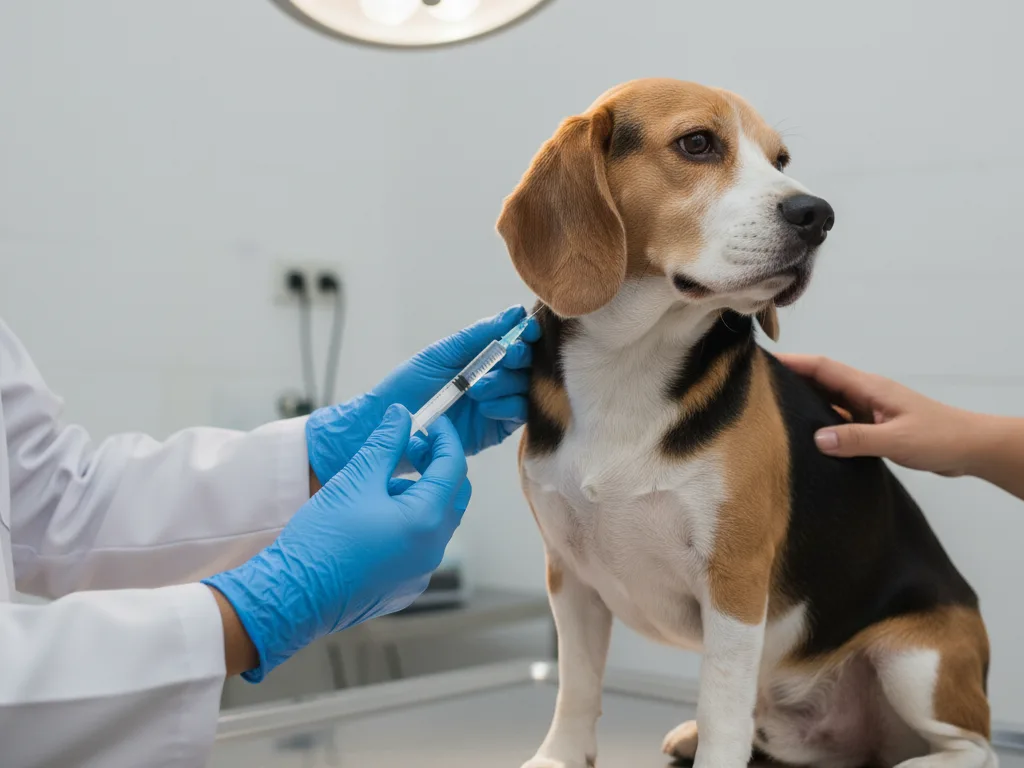
How Many Vaccines Does a Dog Need Per Year? Schedule & Cost
How many times a year does a dog need vaccines? Complete 2026 dog vaccination schedule: from puppy to adult, core and non-core. Free WhatsApp consultation.