Key Takeaways
When can your pet's condition be monitored at home, and when must you see a vet immediately? These 10 emergency signs should never. Free WhatsApp consultation.
10 Signs Your Pet Needs to See a Vet Immediately (Don't Wait)
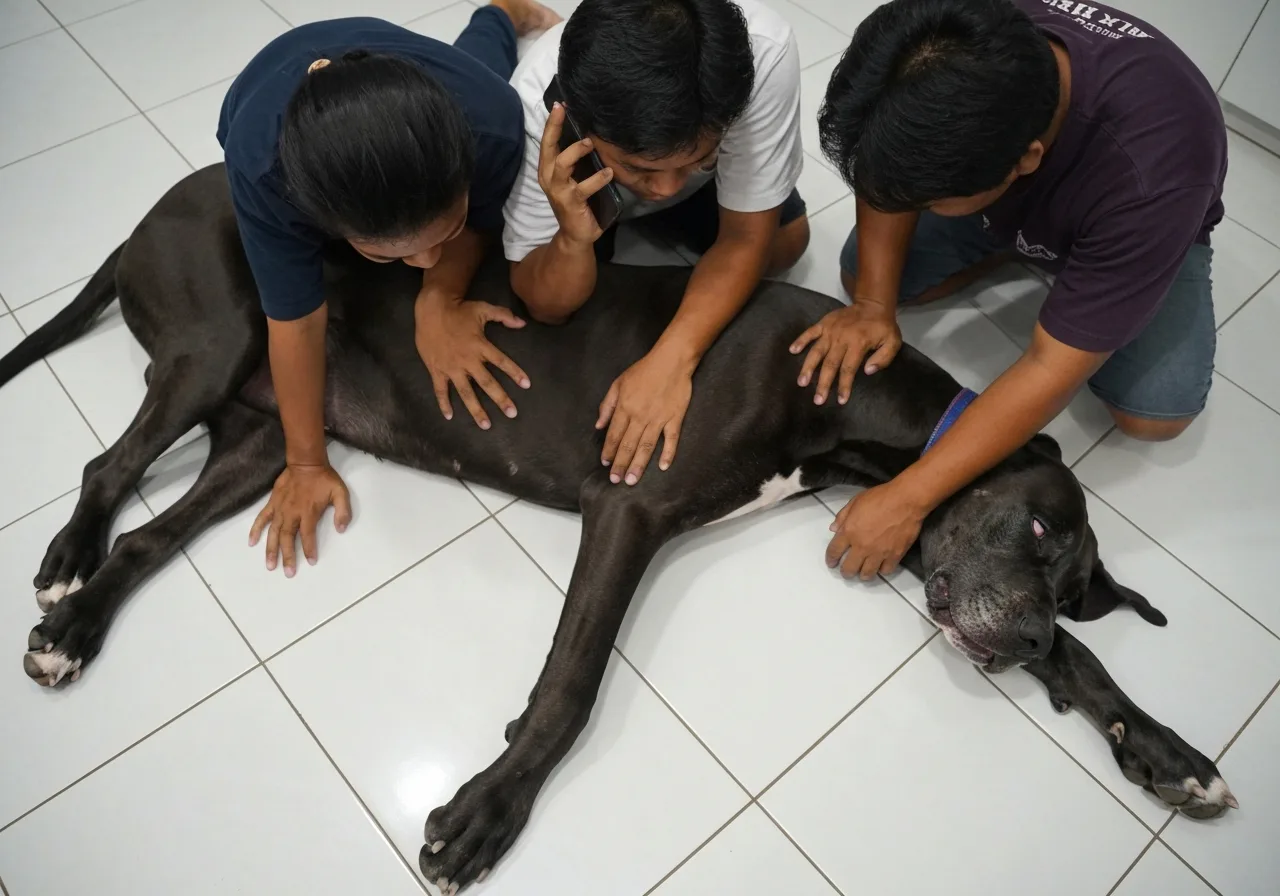
Pets can't tell you when they're sick. They often hide their pain — an instinct inherited from their wild ancestors. Our job as owners is to recognise the signs before it's too late.
Here are 10 conditions that need immediate attention — not tomorrow, not next week.
10 Signs to See a Vet Immediately
Don't Wait Until It's Too Late!
Difficulty Breathing
Rapid breathing while at rest, breathing with an open mouth (cats almost never breathe through their mouths unless severely stressed or in an emergency), blue or pale gums/tongue, abdomen moving with each breath. This is an absolute emergency — see a vet immediately.
Seizures or Loss of Consciousness
Convulsions, fainting, or the pet not responding when called or touched. During a seizure: do not hold their mouth, move hard objects away, note the duration. After the seizure ends, take them immediately even if they seem to have recovered.
Sudden Severe Abdominal Bloating (Dogs)
Especially in large breed dogs like Great Danes, Labradors, or Rottweilers. The abdomen suddenly enlarges, becomes hard, the dog is restless and nauseous but unable to vomit. This is a sign of GDV (Gastric Dilatation-Volvulus) — a twisted stomach. Fatal within hours without emergency surgery.
Unable to Urinate (Male Cats)
A male cat repeatedly visiting the litter box, straining with no result, or producing only a tiny amount of urine or blood. This indicates urethral obstruction — an emergency that can be fatal within 24–48 hours by causing acute kidney failure and cardiac arrhythmia.
Major Physical Trauma
Hit by a vehicle, fallen from height (especially 2nd floor or higher), bitten by another animal, or choked. Even if they appear "fine" on the outside, internal trauma (internal bleeding, lung injury, dislocation) is not always immediately visible.
Refusing Food & Water for More Than 24–48 Hours
Especially dangerous for cats — not eating for more than 2–3 days risks hepatic lipidosis (fatty liver disease), a serious condition requiring intensive treatment. For kittens or elderly cats, the safe window is even shorter.
Bloody Vomiting or Diarrhoea
Fresh blood or coffee/tar-coloured material in vomit or faeces. Can indicate gastrointestinal bleeding, parvovirus (young dogs), intussusception, or poisoning. Bloody diarrhoea with lethargy = high danger sign.
Extreme Lethargy / Unable to Stand
A normally active pet suddenly refusing to move, unresponsive to being called, or unable to stand/walk normally. This indicates a serious systemic condition — from severe anaemia or hypoglycemia to stroke/vestibular syndrome.
Suspected Poisoning
Eating toxic plants, human medications, chocolate, onions, xylitol, rodenticides, or household chemicals. Don't wait for symptoms to appear — some of the most dangerous poisons are best treated before they're absorbed. Contact your vet immediately with: what was eaten, how much, and when.
Suddenly Red, Closed, or Discoloured Eye
Acute glaucoma, uveitis, or corneal ulcers can cause permanent blindness within hours if untreated. Sudden red eye + the pet is in pain or keeping the eye shut = ophthalmic emergency.
Checklist: Monitor at Home or See the Vet Immediately?
| Condition | Monitor First | See Vet Immediately |
|---|---|---|
| Occasional sneezing, no other symptoms | ✓ | |
| Constant sneezing + yellow discharge + not eating | ✓ | |
| Vomited once, still eating and active | ✓ | |
| Vomiting 3+ times in a day / blood in vomit | ✓ | |
| Not eating for 12 hours (healthy adult cat) | ✓ (monitor closely) | |
| Not eating for 48 hours / kitten | ✓ | |
| Small wound, not deep, not bleeding heavily | ✓ (clean it) | |
| Deep wound / bite from another animal | ✓ |
Not Sure? Contact Us First
If you're unsure whether your pet's condition is an emergency or can wait, message Birawa Vet via WhatsApp. We'll help evaluate the symptoms and determine the right course of action — without you having to leave home right away.
Ask the Vet via WhatsAppFrequently Asked Questions
What are the most critical emergency signs that require an immediate vet visit?
My cat hasn't eaten for 1 day — is that dangerous?
How can I tell if my cat/dog is in pain if they can't speak?
Does a cat that keeps hiding mean they're sick?
My dog is vomiting — when should I see a vet?
Medically Reviewed by
Birawa Vet Medical Team
This article has been verified by our medical team to ensure veterinary information accuracy.
The information in this article is for general educational purposes only and is not a substitute for direct consultation with a veterinarian.
Every pet has unique conditions. Do not hesitate to seek professional help if your pet is sick.
Share Article
Schedule Home Vaccination
Vet comes to your home. Complete vaccines, official booklet, no clinic queues.
Read Next
View All
A Canary That Stops Singing: When It Is Medical, Not Just Moulting
A canary that stops singing is not always moulting. Learn when the silence is a natural phase and when it signals a health problem that needs a vet. Free WhatsApp consultation.

Sulcata Tortoise Won't Eat: Causes and When to See a Vet
Your sulcata on a food strike? Often it is not about taste but temperature, light, and enclosure care. Learn the causes and when to see an exotic vet. Free WhatsApp consultation.
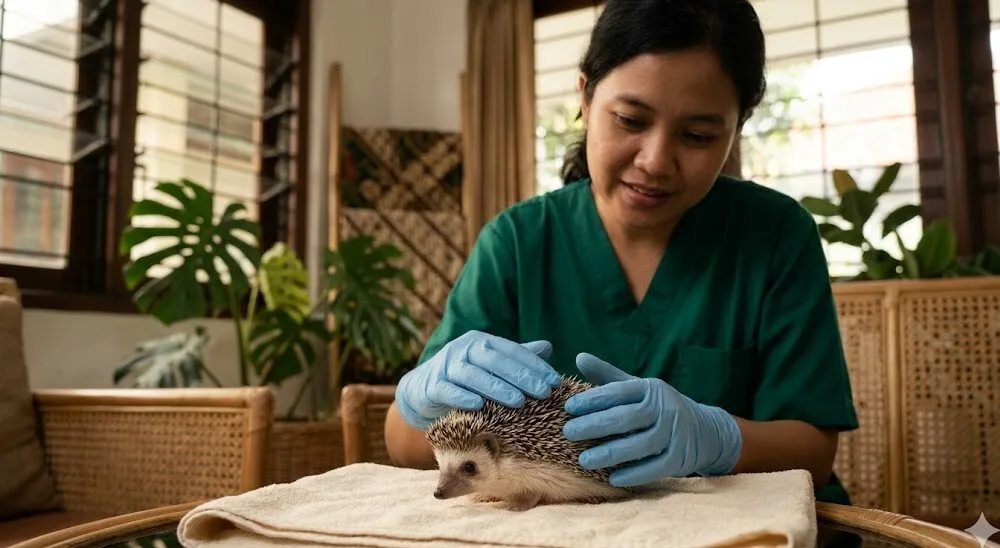
Hedgehog Refusing Food or Bloating: When to See a Vet
Hedgehog refusing to eat or its belly looks bloated? Learn the warning signs, how it differs from a hibernation attempt, and when to see an exotic vet. Free WhatsApp consultation.