Key Takeaways
Pet just spayed/neutered? Day-1 to day-10 recovery timeline from a vet: when anesthesia wears off, when they can eat, when stitches dry + red flag warning signs.
Cat & Dog Post-Neuter Recovery: How Long & What's Normal?

The spay/neuter surgery is done — now comes the equally important part: home care during the recovery period. Many owners panic seeing their pet lethargic, refusing to eat, or noticing the wound area looks strange. This guide explains what's normal, what's not, and what to do day by day.
Difference Between Male and Female Recovery
Female spay (ovariohysterectomy) is a major abdominal surgery → longer recovery (10–14 days). Male neuter (orchidectomy) is a minor procedure → recovery 3–5 days. The guide below covers both.
Day-by-Day Recovery Timeline
Don't Wait Until It's Too Late!
Immediately Post-Surgery
Your pet is still under anesthesia. Normal signs:
- Wobbly, uncoordinated when walking
- Dilated pupils
- Unresponsive to being called
- Body feels cold — warm with a soft towel, do not use an electric heating pad
Lethargy & Nausea Phase
- Your cat is very quiet and sleeps a lot — normal
- Very low appetite or complete refusal to eat — normal for up to 48 hours
- May vomit 1–2 times on the first day (anesthesia effect) — normal if not repeated
- Offer warm wet food in small portions (1/4 of normal serving)
- Ensure the e-collar is on at all times
Starting to Improve
- Appetite starts returning — feed 2–3 times a day in moderate portions
- Male cats are usually active again at this stage
- Female cats still need rest — restrict jumping and running
- Check the wound: it should be dry, no discharge, wound edges closing together
- Give prescribed medications on time
Active Recovery Phase
- Female cats are becoming more active — still restrict strenuous activity
- The wound should be fully closed
- Vet visit for wound evaluation and suture removal (day 10)
- Do not bathe your cat before the stitches are removed
Full Recovery
- Your pet returns to completely normal activity
- Bathing is now safe again
- Appetite may increase — monitor food portions to prevent obesity
How to Care for the Post-Surgery Wound at Home
What to Do
- Keep the e-collar on at all times — even during sleep
- Check the wound twice daily — morning and evening
- Clean any debris around the wound with damp sterile gauze (not alcohol)
- Give medications as prescribed — don't skip any doses
- Provide a small enclosure or confined space to limit movement
What to Avoid
- Don't bathe before stitches are removed
- Don't apply betadine or alcohol directly to the suture wound
- Don't remove the e-collar even if your pet looks uncomfortable
- Don't allow jumping from heights (sofa, bed) — especially for females
- Don't give human medications (paracetamol, ibuprofen) — toxic to cats
Warning Signs — Contact Your Vet Immediately
Don't wait — contact your vet right away if you notice:
- Active bleeding from the wound that won't stop
- Open wound or gaping sutures
- Severe swelling with redness and heat around the wound
- Yellow/green discharge (pus) coming from the wound
- Refusal to eat for more than 3 full days
- Repeated vomiting more than 3 times in a day
- Extreme weakness — unable to stand or walk
- Rapid or irregular breathing
Need a Post-Surgery Wound Check at Home?
Birawa Vet provides post-spay/neuter home visit check-ups — a vet comes to your home to evaluate the wound, change dressings, and administer antibiotic injections if needed. No need to take your recovering pet outside.
See Our Post-Surgery Home Care Service
Frequently Asked Questions
How long does recovery take after spaying a female cat?
How long does recovery take after neutering a male cat?
When can a cat eat after spay/neuter surgery?
Is it normal for a cat to not eat for 1–2 days after being spayed/neutered?
What warning signs should I watch for after spay/neuter surgery?
When can the e-collar be removed after spay/neuter surgery?
Medically Reviewed by
Birawa Vet Medical Team
This article has been verified by our medical team to ensure veterinary information accuracy.
The information in this article is for general educational purposes only and is not a substitute for direct consultation with a veterinarian.
Every pet has unique conditions. Do not hesitate to seek professional help if your pet is sick.
Share Article
Steril Promo This Month!
Sterilization procedure per WSAVA Spay-Neuter standard (inhalation/injectable anesthesia per patient condition, vital sign monitoring) at special price. Consult first before procedure.
Read Next
View All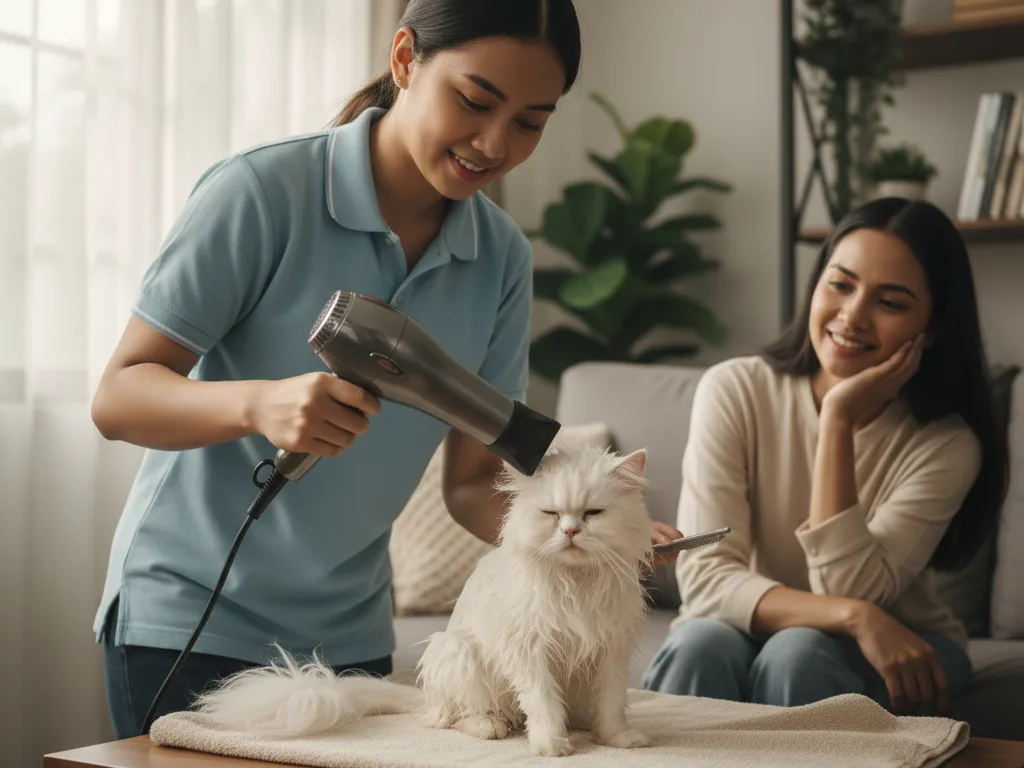
Cat Grooming at Home vs Salon: Which Is Cheaper and Safer?
Cat grooming at a salon vs a mobile groomer vs during a vet visit — which is more affordable and safer? A comparison of costs. Free WhatsApp consultation.
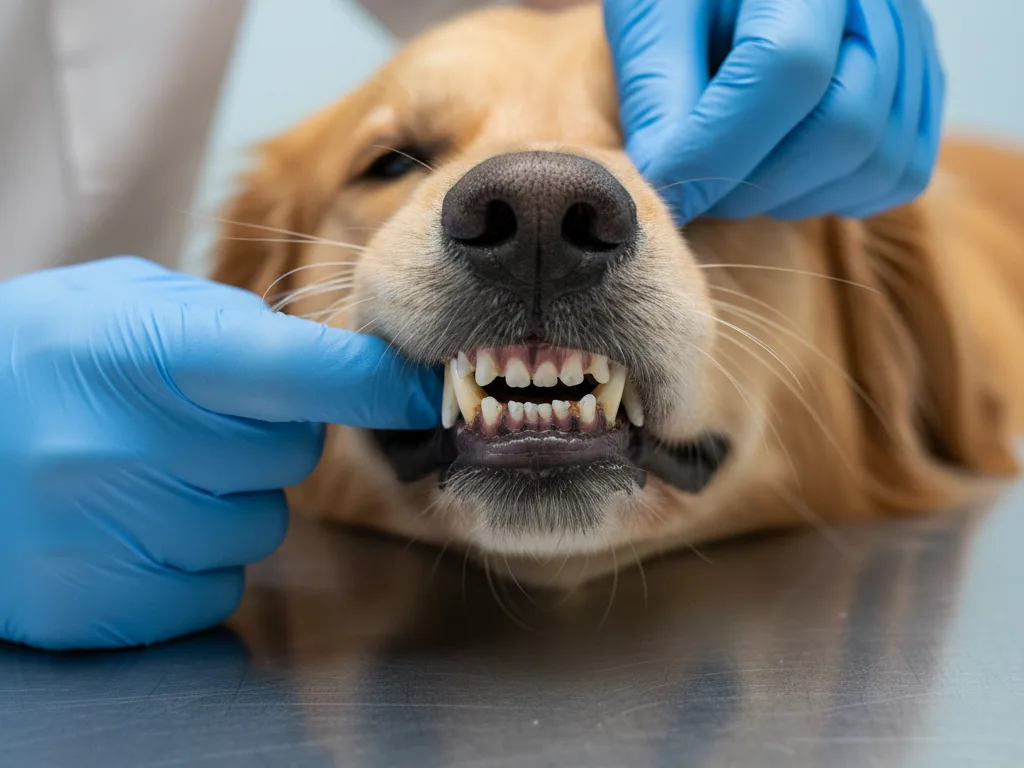
When Does a Dog Need Dental Scaling? Signs, Procedure & Cost 2026
Dog dental scaling is more than just cleaning — it's a medical procedure to prevent heart and kidney infections. Learn when your. Free WhatsApp consultation.
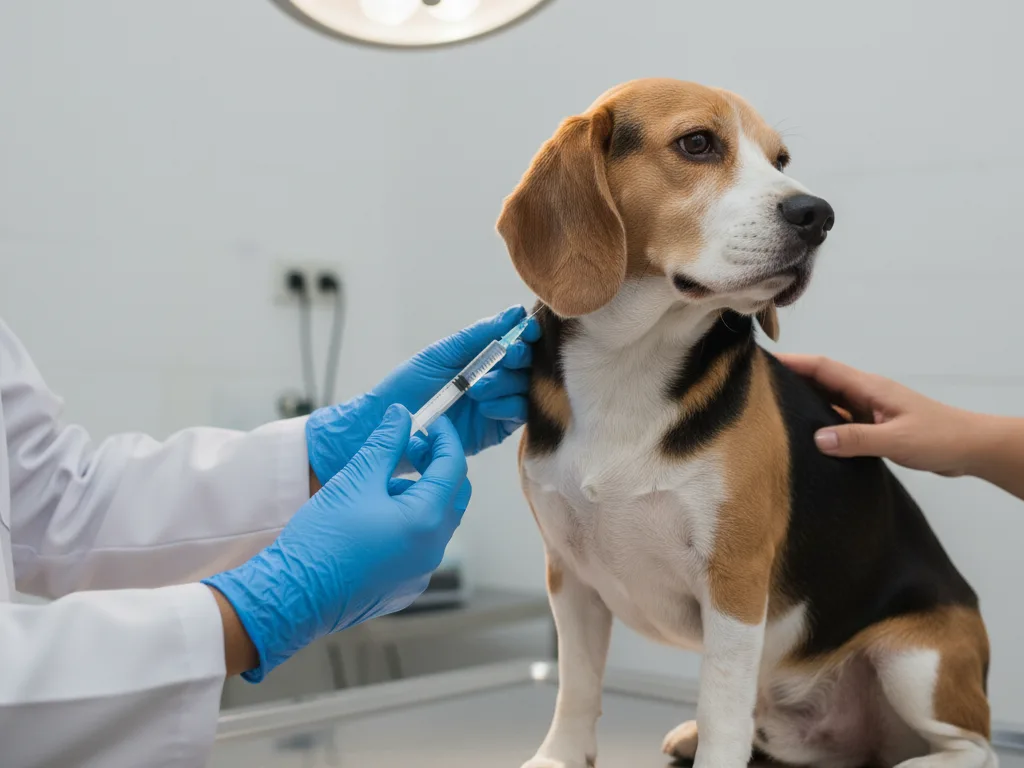
How Many Vaccines Does a Dog Need Per Year? Schedule & Cost
How many times a year does a dog need vaccines? Complete 2026 dog vaccination schedule: from puppy to adult, core and non-core. Free WhatsApp consultation.