Key Takeaways
Many pregnant women are pressured to give up their cats due to toxoplasma fears. The actual risk is far smaller than assumed — as. Free WhatsApp consultation.
Cats & Toxoplasma: Facts vs Myths for Pregnant Women
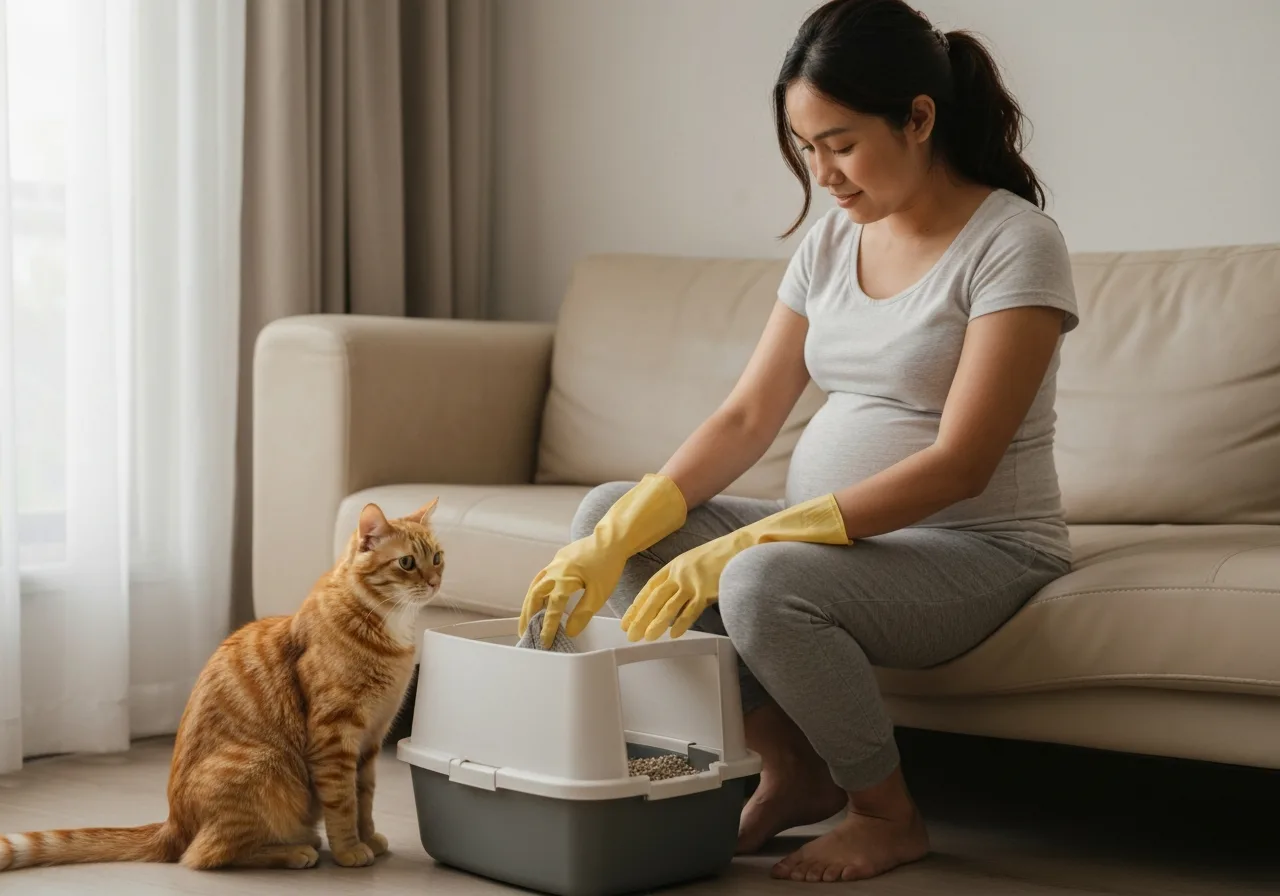
"You're pregnant? You need to get rid of the cats." This sentence echoes in almost every Indonesian household that keeps cats. But how real is the toxoplasma risk from pet cats?
The answer: far smaller than most people believe — provided you know the right precautions.
What Is Toxoplasma?
Don't Wait Until It's Too Late!
Toxoplasma gondii is a protozoan parasite that can infect nearly all warm-blooded mammals. In healthy adults, infection is usually asymptomatic or feels like a mild flu. The danger is for:
- Fetuses (if the mother has a first-time infection during pregnancy)
- People with severely weakened immune systems (HIV/AIDS, post-chemotherapy)
Myths vs Facts: 5 Common Misconceptions
Safe Protocol for Pregnant Cat Owners
- Delegate litter box cleaning to another family member throughout pregnancy
- Wash hands after handling cats, especially before eating
- Cook meat thoroughly — this is the #1 prevention step that is often overlooked
- Wash vegetables and fruit before consuming
- Get a Toxoplasma test at the start of pregnancy (TORCH screen) — if IgG is already positive, you have immunity
- Take your cat to the vet for Toxoplasma antibody testing
💡 Already Have Antibodies? You're Safer
If your TORCH test shows positive Toxoplasma IgG with negative IgM, it means you were previously infected and already have immunity. Reinfection in immunocompetent people does not cause problems for the fetus.
Panggil Dokter ke Rumah
Frequently Asked Questions
Do pregnant women have to give up their pet cats?
How can cats transmit toxoplasma?
What is the most common source of toxoplasma in humans?
How is toxoplasma tested in cats?
Medically Reviewed by
Birawa Vet Medical Team
This article has been verified by our medical team to ensure veterinary information accuracy.
The information in this article is for general educational purposes only and is not a substitute for direct consultation with a veterinarian.
Every pet has unique conditions. Do not hesitate to seek professional help if your pet is sick.
Share Article
Senior Pets Need Special Care
Not sure if your pet's symptoms are normal or urgent? Tell our vet — we help evaluate without requiring immediate booking.
Read Next
View All
A Canary That Stops Singing: When It Is Medical, Not Just Moulting
A canary that stops singing is not always moulting. Learn when the silence is a natural phase and when it signals a health problem that needs a vet. Free WhatsApp consultation.

Sulcata Tortoise Won't Eat: Causes and When to See a Vet
Your sulcata on a food strike? Often it is not about taste but temperature, light, and enclosure care. Learn the causes and when to see an exotic vet. Free WhatsApp consultation.
Hedgehog Refusing Food or Bloating: When to See a Vet
Hedgehog refusing to eat or its belly looks bloated? Learn the warning signs, how it differs from a hibernation attempt, and when to see an exotic vet. Free WhatsApp consultation.