Key Takeaways
Cat playful but refusing food? Very different from a lethargic cat. Vet guide: 5 common causes (stress, dental, diet), home tips, when you must see a vet.
Cat Won't Eat But Still Active: Causes & What to Do
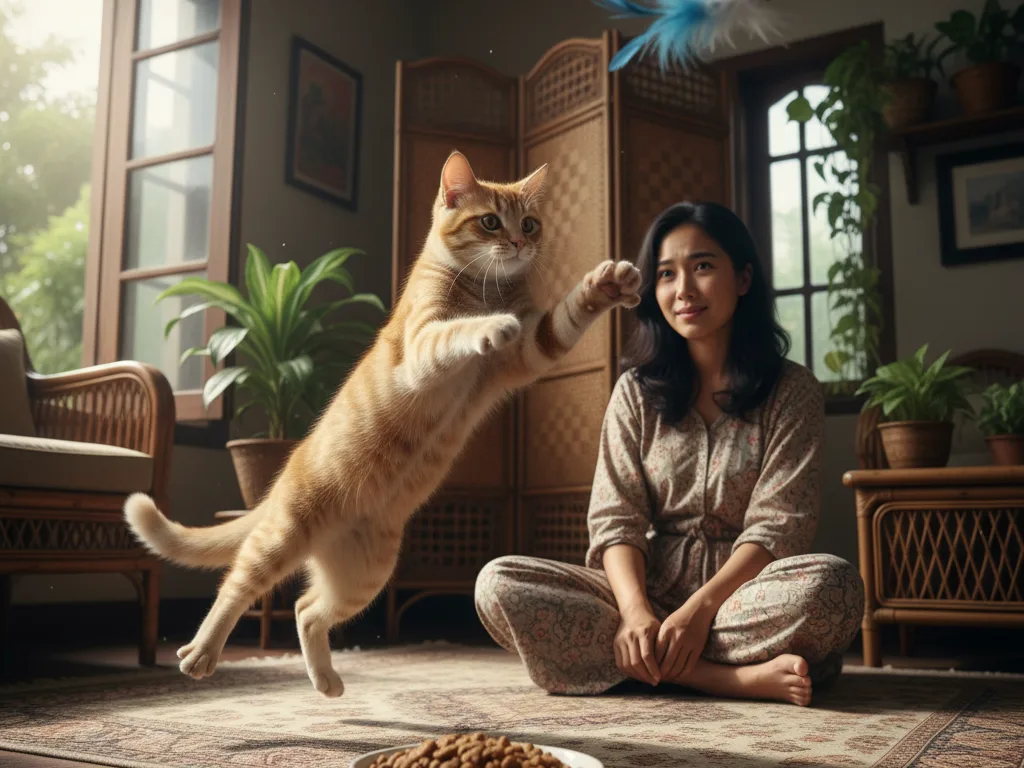
Your cat is still leaping onto windowsills and playing as usual, yet has not touched food for 1-2 days? This combination of active but no appetite is actually different from the typical sick-cat scenario, and usually points to a more specific set of causes.
In a cat with true systemic illness (severe infection, organ failure, panleukopenia), reduced appetite is almost always paired with lethargy, hiding, and dehydration. So when a cat stays active, we should look in different places: the mouth, the environment, and the food itself.
Why a Cat Refuses Food Despite Staying Active
Don't Wait Until It's Too Late!
Clinically, this combination is interesting because the cat's systemic energy is still good. If a major internal-organ disease were present, energy would usually drop first. So active + not eating often points to one of these four:
- Oral/dental pain - the cat wants to eat but it hurts to chew.
- Stress or environmental change - new guests, renovation, new pet, rearranged furniture.
- Food change - brand/flavor switched, or food gone stale/rancid.
- Food fatigue - especially in cats used to many flavor varieties.
Good news: these four causes can almost always be identified through home observation and a brief physical exam. Extensive lab work is not always needed.
5 Common Causes (Not Severe Illness)
1. Dental & Gum Issues (Most Often Missed)
The number-one cause in cats that stay active but stop eating is hidden dental pain. The cat wants to eat, approaches the bowl, sniffs, then walks away because chewing hurts. Signs you can check at home:
- Chewing on only one side of the mouth.
- Dropping kibble while chewing.
- Strong bad breath (worse than usual).
- Drooling.
- Will eat wet food but refuses hard kibble.
Even one of these signs strongly suggests dental pain - possibly gingivitis, tooth resorption (common in cats), or root abscess. Read more in cat bad breath & dental care and when pets need dental scaling.
2. Environmental Stress
Cats are highly sensitive to small changes. Overnight guests, renovation noise, a new pet, moved toys, even switched litter type often trigger 1-3 days of food refusal. Stressed cats usually stay active - sometimes more alert - but appetite drops. Detailed signs and relaxation tips in signs of cat stress and how to manage.
3. Sudden Food Change
Cats are conservative. Switching brand, flavor, or formula without a 5-7 day transition often makes them refuse outright. Check kibble expiry (especially bags opened over a month ago), rancid smell, or insect contamination. Wet food not refrigerated after opening also quickly loses appeal for cats.
4. Food Fatigue
Cats given many flavor varieties daily can develop high expectations. If the owner starts limiting variety, the cat may "go on strike" until favorites return. Simple strategy: rotate just 2-3 flavors consistently, do not introduce new variety while the cat is being fussy.
5. Hot Weather or After Heavy Activity
When Jakarta hits 33 C+, many cats eat less during the day and only get hungry at night. As long as weight is not dropping significantly and the cat is drinking enough, this is normal variation. Make sure fresh water is available in multiple spots in the house.
When to Worry: Hidden Warning Signs
Even if your cat is still active, there are red flags that tell you not to wait any longer:
- Past 24 hours without any food (or 12 hours for overweight cats, kittens, or seniors).
- Noticeable weight loss when you pick the cat up (spine more prominent).
- Accompanied by repeated vomiting more than 2x.
- Constant drooling or strongly foul mouth odor.
- Third eyelid (nictitating membrane) partially showing.
- Skin tent at the scruff does not snap back quickly (dehydration sign).
- No urination in the past 24 hours.
Vet note: cats are skilled at hiding pain. A cat still jumping around may already be moderately dehydrated. When in doubt, it is safer to check earlier than to wait until lethargy appears.
For cats that recently had surgery, see the dedicated guide on cat not eating after spay/neuter as the management is slightly different.
Home Tips to Stimulate Appetite (First 24 Hours)
If symptoms just started and your cat shows no red flags above, try this sequence while observing:
- Warm the wet food 5-10 seconds in the microwave (until lukewarm). Stronger aroma often triggers hunger.
- Offer enticing options - low-sodium chicken broth, churu, tuna in water (not oil), or kitten wet food which is usually more aromatic.
- Separate from other pets during meals. Feeding competition can quietly cause refusal.
- Move the bowl away from the litter box, busy areas, or near the washing machine.
- Gently check the mouth - lift the lip to see gums (red? broken teeth?), smell the breath (foul odor?).
- Maintain hydration - offer cool water in a wide bowl (cats dislike whiskers touching the rim), or try a pet fountain.
- Monitor litter box - if no urination in 24 hours, this signals serious dehydration, do not wait.
Avoid force-feeding with finger or syringe without vet guidance, as it can trigger aspiration (food entering the lungs). If 24 hours of these steps yield no result, it is time to consult.
When to Consult a Vet
Practical rule for "active but not eating" cases:
- 0-12 hours: observe at home, apply tips above.
- 12-24 hours: chat with a vet via WhatsApp with detailed info (see checklist below). A free initial consultation can help gauge urgency.
- 24+ hours without any food: schedule a home visit the same day.
- Any red flag (repeated vomiting, dehydration, severe drooling): do not wait, contact the vet now.
Info to prepare for the WhatsApp chat with the vet:
- Age, weight, vaccination and spay/neuter status.
- Since when not eating, last meal eaten and at what time.
- Still drinking water? Litter box still normal?
- Changes at home in the past week (guests, renovation, new food, new pet).
- Short video of the cat approaching the food bowl.
- Photo inside the mouth (if possible, do not force).
A neat message format helps the vet give faster recommendations. See the WhatsApp chat template for contacting a vet if you need an example.
Why a Home Visit Suits This Case
For a cat that is still active but refusing food, a cat vet home visit offers several advantages:
- No added travel stress - clinic trips often make cats more stressed and even less willing to eat.
- Direct oral/dental check in a calm environment. The number-one cause is dental - it can be assessed on the spot.
- Environment assessment - the vet can see the bowl setup, food type, and litter location, possibly catching stress triggers you missed.
- Comprehensive exam - at-home medical checkup including abdominal palpation, hydration check, and blood sampling if needed.
The Birawa Vet team serves South, Central, West, East, and North Jakarta plus Tangerang/Depok/Bekasi every day including weekends. We routinely manage feline appetite cases from mild presentations to dental complications.
Conclusion: Active Does Not Always Mean Safe
A cat that won't eat but is still active often does not signal severe illness - but it is also not a sign to delay. The most common causes are dental pain, stress, or food changes, all of which respond to simple intervention if found in time.
Practical benchmark: 24 hours is the safe limit for a healthy adult cat. Beyond that, or any single red flag, consult a vet. Better to hear "no problem, keep observing" than to be late treating a dental issue that could have been resolved with routine scaling.
Need Quick Advice for a Cat Refusing to Eat?
Send your cat's age, weight, when food refusal started, and a short video to WhatsApp. The Birawa Vet team will help assess whether 24-hour observation is enough, a home visit is needed, or the situation requires urgent attention.
Free WhatsApp ConsultationIf symptoms have already passed 24 hours, book a cat vet home visit today.
This article is for educational purposes. For diagnosis and treatment, please consult a veterinarian directly. References: WSAVA Global Nutrition Guidelines, Merck Veterinary Manual (Anorexia in Cats), AAHA Dental Care Guidelines.
Frequently Asked Questions
Is it normal for a cat to refuse food but still play actively?
How long can a cat safely go without eating?
What is the difference between a cat not eating but active vs lethargic and not eating?
Can this kind of case be handled through a home visit?
Medically Reviewed by
Birawa Vet Medical Team
This article has been verified by our medical team to ensure veterinary information accuracy.
The information in this article is for general educational purposes only and is not a substitute for direct consultation with a veterinarian.
Every pet has unique conditions. Do not hesitate to seek professional help if your pet is sick.
Share Article
Steril Promo This Month!
Sterilization procedure per WSAVA Spay-Neuter standard (inhalation/injectable anesthesia per patient condition, vital sign monitoring) at special price. Consult first before procedure.
Read Next
View All
Cat Vomiting But Still Eating: Time to Panic or Just a Home Visit?
A cat that vomits occasionally but still eats often leaves owners confused: is this normal, does it need monitoring, or should I. Free WhatsApp consultation.
Cat Suddenly Weak & Refusing to Eat? Do This Home "Triage" First
Don't panic just yet. Before calling the vet, perform these 3 simple physical checks (Triage) to assess how urgent your pet's. Free WhatsApp consultation.

7 WhatsApp Message Templates for Your Vet: So the Doctor Understands Your Pet's Condition Right Away
A collection of WhatsApp message examples for your vet covering various situations: from booking a vaccine, checking the service. Free WhatsApp consultation.