Key Takeaways
A cat that refuses to nurse her kittens after birth is a life-threatening situation for the kittens. Know the causes — from stress. Free WhatsApp consultation.
Cat Gave Birth But Refuses to Nurse Her Kittens: Causes and Solutions
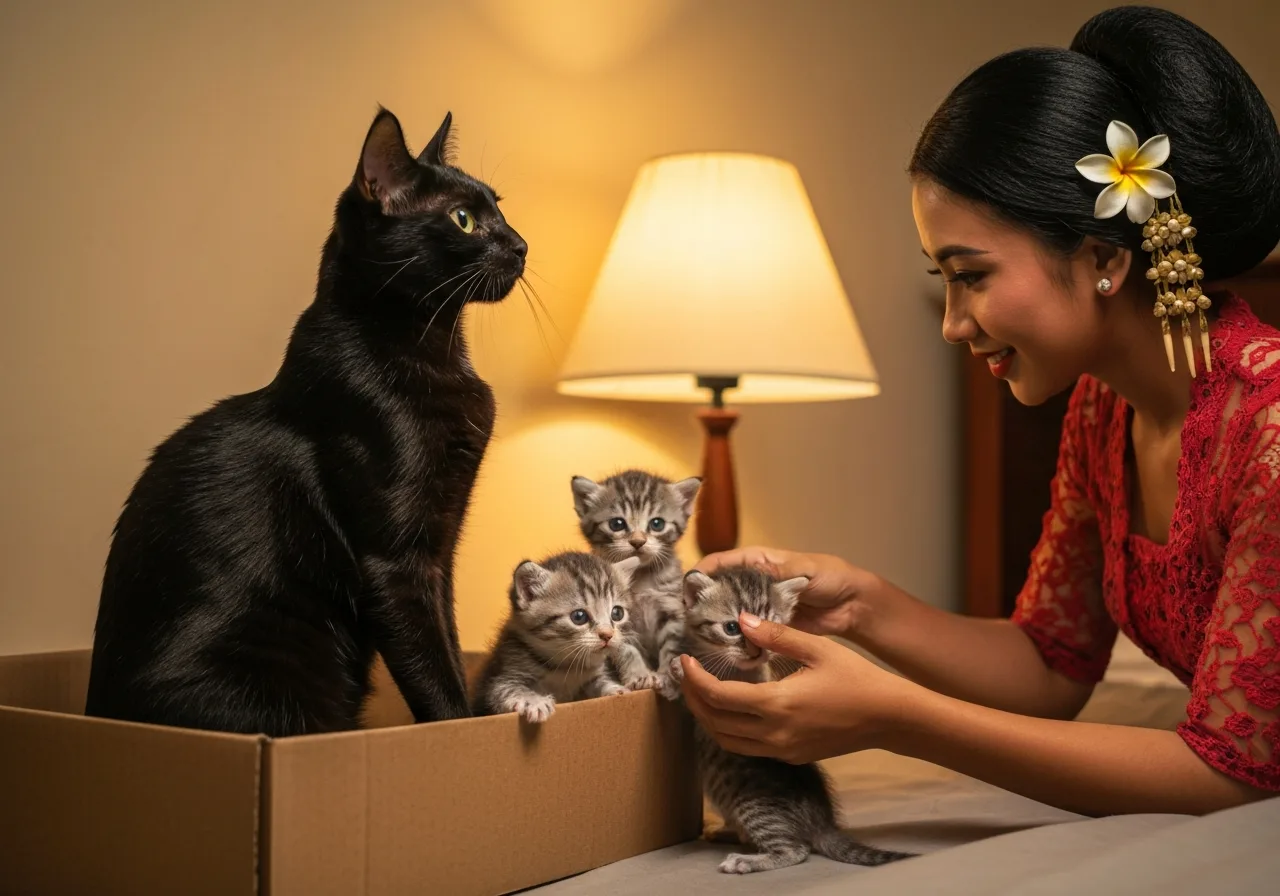
A cat that has just given birth but avoids or outright refuses to approach her kittens — this is a situation that demands a quick response. Every hour without nutrition can mean a kitten's life.
Emergency Guide: Feeding Kittens Without a Mother
Don't Wait Until It's Too Late!
- Warm them first — cold kittens cannot digest milk. Target body temperature: 35–37°C. Use a warm water bottle wrapped in a towel.
- Prepare KMR (Kitten Milk Replacer, not cow's milk) with warm water according to package instructions
- Correct position: Place the kitten on its stomach (not on its back). Tilt the bottle so milk flows slowly as the kitten sucks
- Stimulate elimination after each feeding — swipe the genital area with a warm damp cotton ball
- Weigh daily — healthy kittens gain 10–15g/day
Panggil Dokter ke Rumah
Frequently Asked Questions
How long can kittens survive without their mother's milk?
What is mastitis in cats and what are the signs?
How do you feed kittens rejected by their mother?
Medically Reviewed by
Birawa Vet Medical Team
This article has been verified by our medical team to ensure veterinary information accuracy.
The information in this article is for general educational purposes only and is not a substitute for direct consultation with a veterinarian.
Every pet has unique conditions. Do not hesitate to seek professional help if your pet is sick.
Share Article
Senior Pets Need Special Care
Not sure if your pet's symptoms are normal or urgent? Tell our vet — we help evaluate without requiring immediate booking.
Read Next
View All
A Canary That Stops Singing: When It Is Medical, Not Just Moulting
A canary that stops singing is not always moulting. Learn when the silence is a natural phase and when it signals a health problem that needs a vet. Free WhatsApp consultation.

Sulcata Tortoise Won't Eat: Causes and When to See a Vet
Your sulcata on a food strike? Often it is not about taste but temperature, light, and enclosure care. Learn the causes and when to see an exotic vet. Free WhatsApp consultation.
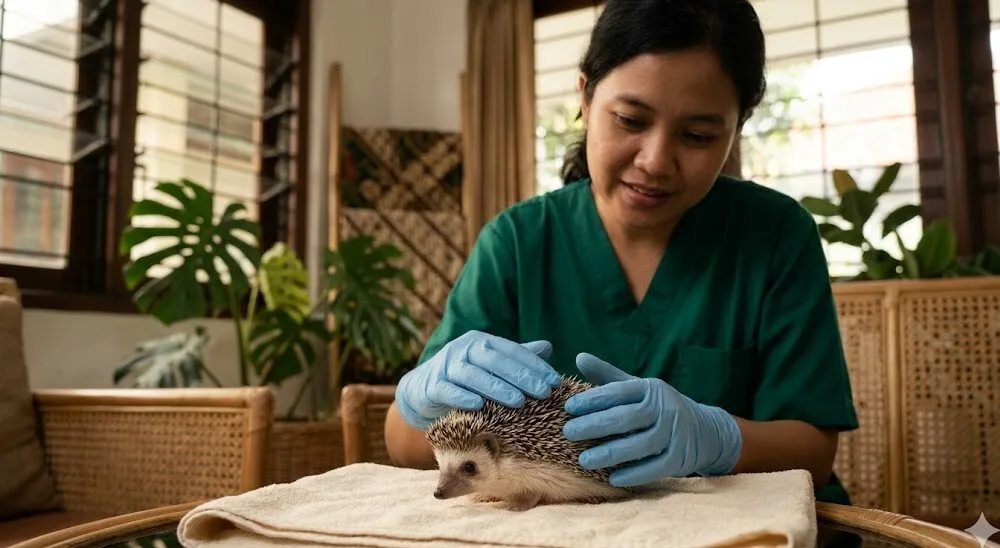
Hedgehog Refusing Food or Bloating: When to See a Vet
Hedgehog refusing to eat or its belly looks bloated? Learn the warning signs, how it differs from a hibernation attempt, and when to see an exotic vet. Free WhatsApp consultation.