Key Takeaways
Not every lump on a cat is cancer — it could be a cyst, lipoma, or abscess. But some types are highly aggressive and spread. Free WhatsApp consultation.
Lumps on Cats: When Is It a Tumor and When Should You See a Vet?

"There's a lump on my cat" — this is one of the sentences that most often makes cat owners panic. But not every lump means cancer. The key is knowing how to tell the difference and when to see a vet immediately.
When Should You See a Vet Immediately?
Don't Wait Until It's Too Late!
- 🔴 Lump grows within weeks (not months)
- 🔴 Hard, does not move, and adheres to underlying tissue
- 🔴 Skin over it changes color, ulcerates, or discharges fluid
- 🔴 Any lump near the nipples (regardless of size)
- 🔴 Cat appears to be in pain when the lump is touched
- 🔴 Accompanied by weight loss or loss of appetite
Panggil Dokter ke Rumah
Frequently Asked Questions
Are all lumps on cats dangerous?
What is a mammary tumor in cats?
Does spaying prevent cancer in cats?
Medically Reviewed by
Birawa Vet Medical Team
This article has been verified by our medical team to ensure veterinary information accuracy.
The information in this article is for general educational purposes only and is not a substitute for direct consultation with a veterinarian.
Every pet has unique conditions. Do not hesitate to seek professional help if your pet is sick.
Share Article
Does Your Pet Need Surgery?
Our admin helps with screening and arranges referral to partner clinic — fast and hassle-free.
Read Next
View All
A Canary That Stops Singing: When It Is Medical, Not Just Moulting
A canary that stops singing is not always moulting. Learn when the silence is a natural phase and when it signals a health problem that needs a vet. Free WhatsApp consultation.

Sulcata Tortoise Won't Eat: Causes and When to See a Vet
Your sulcata on a food strike? Often it is not about taste but temperature, light, and enclosure care. Learn the causes and when to see an exotic vet. Free WhatsApp consultation.
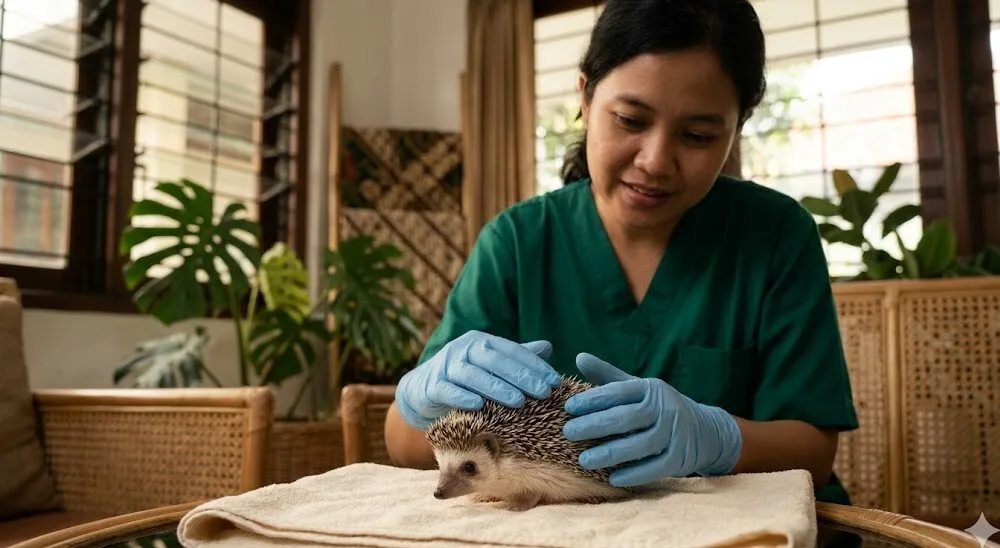
Hedgehog Refusing Food or Bloating: When to See a Vet
Hedgehog refusing to eat or its belly looks bloated? Learn the warning signs, how it differs from a hibernation attempt, and when to see an exotic vet. Free WhatsApp consultation.