Key Takeaways
Worms in cats often show no obvious symptoms, but can be life-threatening if left untreated. Learn the signs of worm infestation. Free WhatsApp consultation.
Worms in Cats: Signs, Symptoms, Treatment, and Prevention
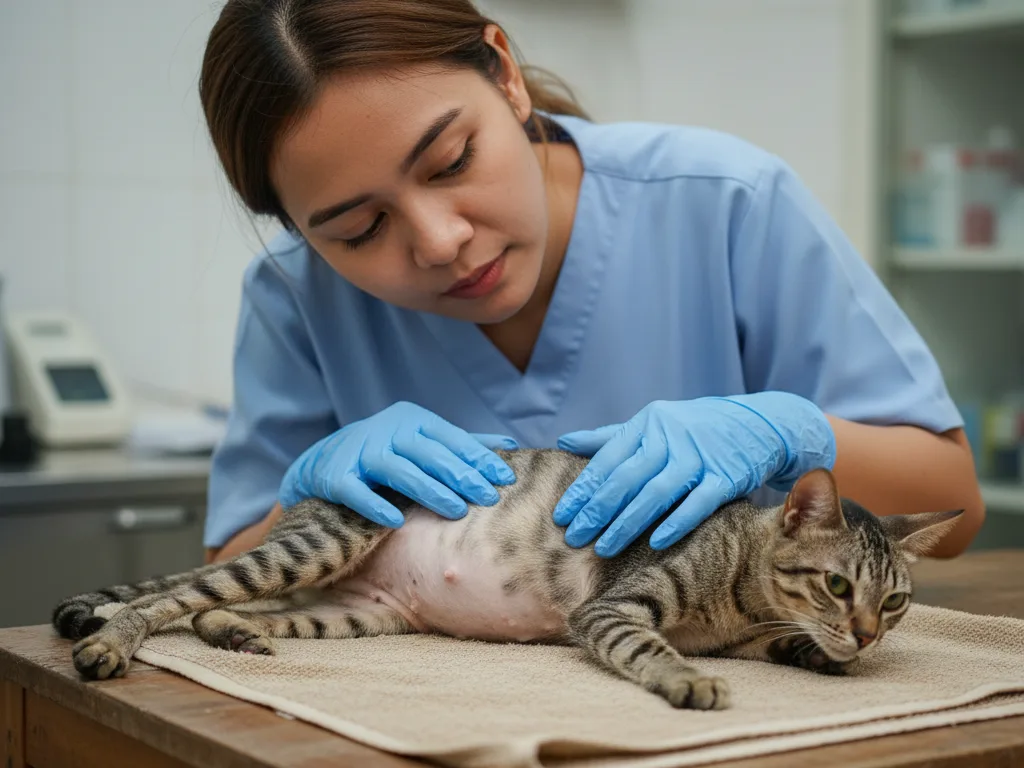
Worms in cats are a very common yet often overlooked health problem — precisely because symptoms are often not obvious in early stages. Yet, an untreated worm infestation can lead to anaemia, severe malnutrition, organ damage, and even death, especially in kittens.
In Indonesia, nearly 70–80% of stray cats and cats that have never been dewormed carry parasites in their bodies. Even indoor pet cats are not entirely safe. This article covers everything you need to know: worm types, symptoms, diagnosis, treatment, and prevention.
Types of Worms That Affect Cats
Don't Wait Until It's Too Late!
Several types of worms commonly infect cats in Indonesia:
🔵 Roundworms (Toxocara cati)
Most common. Can grow up to 10 cm long, living in the small intestine.
- Transmitted through faeces, mother's milk, or rats
- Dangerous for kittens
- Can spread to humans (zoonotic)
🟠 Tapeworms (Dipylidium caninum)
Appear as segments resembling sesame seeds/rice grains, found around the anus or in faeces.
- Spread by fleas swallowed during grooming
- Cats with a history of fleas almost certainly have tapeworms
- Regular dewormers don't work — Praziquantel is needed
🔴 Hookworms (Ancylostoma)
Very dangerous — they suck blood from the intestinal wall.
- Causes severe anaemia and bloody diarrhoea
- Enter through the skin of the paws or the mouth
- Life-threatening in kittens
🟡 Heartworms (Dirofilaria)
Less common but most deadly — live in the heart and lungs.
- Spread by mosquitoes
- No safe antidote for cats
- Prevention is far more important than treatment
Signs and Symptoms of Worms in Cats
Mild infections are often symptom-free. Symptoms emerge once the worm burden becomes significant:
Common Signs of Worms in Cats:
- Bloated belly with a thin body (especially kittens)
- Weight loss despite normal or high appetite
- Dull, shedding coat that looks unhealthy
- Diarrhoea, sometimes with mucus or blood
- Vomiting, sometimes expelling worms
- Rice/sesame-grain-like segments around the anus or in faeces
- Scooting (dragging bottom along the floor)
- Pale gums (sign of anaemia from hookworms)
- Lethargy, no interest in playing
- Chronic coughing (may indicate worm larvae migrating to the lungs)
⚠️ Emergency — Contact a Vet Immediately:
A kitten with a severely bloated belly and pale gums, a cat repeatedly vomiting worms, or a lethargic cat that refuses to eat are emergency situations that can be fatal within hours without treatment.
Panggil Dokter ke Rumah
How to Diagnose Worms in Cats
Accurate diagnosis matters because different drugs work for different worm types. Your vet will typically perform:
- Faecal examination — identifying worm eggs under a microscope. Accurate for roundworms, hookworms, and some tapeworms.
- Physical examination — abdominal palpation, coat condition check, gum colour, body weight, and general condition.
- Blood count (CBC) — to detect anaemia from heavy infestation or suspected heartworm.
- Antigen test / Heartworm-specific test — additional test if Dirofilaria infection is indicated.
Treating Worms in Cats
Not all dewormers are effective against all worm types. Here's a comparison:
| Medication | Effective Against | Administration |
|---|---|---|
| Pyrantel Pamoate | Roundworms, hookworms | Oral (tablet/syrup), single dose |
| Praziquantel | Tapeworms | Oral or injection |
| Fenbendazole | Roundworms, hookworms, Giardia | Oral, 3–5 consecutive days |
| Milbemycin / Selamectin | Roundworms, hookworms, heartworm (prevention) | Spot-on or oral, monthly |
| Combination (Drontal, etc.) | Broad spectrum (roundworms + tapeworms + hookworms) | Oral, single dose or by body weight |
⚠️ Important: Never Buy Dewormers Without Advice
Some human dewormers (such as high-dose Albendazole) can be neurotoxic for cats. Dog dewormers are not always safe for cats either. Overdosing small cats is extremely dangerous. Always consult your vet for the correct product and dose based on your cat's weight and health.
Recommended Deworming Schedule
| Age / Condition | Deworming Frequency |
|---|---|
| Kittens 2–8 weeks | Every 2 weeks |
| Kittens 2–6 months | Every 1 month |
| Adult indoor cats | Every 3–4 months (4 times a year) |
| Adult outdoor / semi-outdoor cats | Every 1–3 months |
| Pregnant/nursing cats | Before and after birth, as advised by your vet |
How to Prevent Worms in Cats
- Routine deworming on the schedule above, even for cats that appear healthy.
- Regular flea control — fleas are the primary vector for tapeworms. Use routine flea treatment (spot-on, collar, or tablet).
- Keep the litter box clean — clean it daily and wash it weekly. Use gloves and wash hands afterwards.
- Prevent hunting — rats are an intermediate host for roundworms. Cats that hunt are at high risk.
- Avoid untested raw food — raw meat/fish may contain worm cysts.
- Annual faecal testing at the vet for early detection, especially for outdoor cats.
🐱 Tips for New Owners (Rescue / Adopted Cats)
Rescued or street-adopted cats almost certainly carry worms. The first steps you must take: (1) deworm as soon as the cat is stable, (2) vaccinate on the correct schedule, (3) complete physical and faecal examination. Don't delay — infestations can spread to other cats in the home.
Ingin tahu estimasi biaya?
Worms in Cats vs Dogs — What's the Difference?
Many owners use the same dewormer for both cats and dogs. This is dangerous for several reasons:
- Cats are more sensitive to many deworming chemicals than dogs.
- Some products contain dog-dose Ivermectin which can cause neurological poisoning in cats.
- The dominant worm types differ: dogs are more prone to heartworm in certain areas, while cats are more frequently infected with roundworms and tapeworms.
Always use a product specifically labelled safe and indicated for cats, dosed by actual body weight.
When to See a Vet
Consult a vet immediately if:
- Your cat has been dewormed but remains thin or symptoms haven't improved within 1–2 weeks
- You find actual worms in your cat's faeces or vomit
- A kitten has a severely bloated belly and appears lethargic
- Your cat shows pale gums, laboured breathing, or a sudden decline in condition
- A newly adopted street cat that has never been dewormed
Birawa Vet provides home visit vet services to your door — faecal examination, deworming, and consultation without needing to take your cat outside.
Frequently Asked Questions
What are the most easily recognisable signs of worms in cats?
How often should a cat be dewormed?
Can worms from cats spread to humans?
Can indoor cats that never go outside get worms?
What is the most effective and safe dewormer for cats?
I've given my cat dewormer but it's still thin — why?
Medically Reviewed by
Birawa Vet Medical Team
This article has been verified by our medical team to ensure veterinary information accuracy.
The information in this article is for general educational purposes only and is not a substitute for direct consultation with a veterinarian.
Every pet has unique conditions. Do not hesitate to seek professional help if your pet is sick.
Share Article
Senior Pets Need Special Care
Not sure if your pet's symptoms are normal or urgent? Tell our vet — we help evaluate without requiring immediate booking.
Read Next
View All
A Canary That Stops Singing: When It Is Medical, Not Just Moulting
A canary that stops singing is not always moulting. Learn when the silence is a natural phase and when it signals a health problem that needs a vet. Free WhatsApp consultation.

Sulcata Tortoise Won't Eat: Causes and When to See a Vet
Your sulcata on a food strike? Often it is not about taste but temperature, light, and enclosure care. Learn the causes and when to see an exotic vet. Free WhatsApp consultation.
Hedgehog Refusing Food or Bloating: When to See a Vet
Hedgehog refusing to eat or its belly looks bloated? Learn the warning signs, how it differs from a hibernation attempt, and when to see an exotic vet. Free WhatsApp consultation.