Key Takeaways
An occasional sneeze is normal for cats. But constant sneezing with a runny nose, watery eyes, or reduced appetite is a sign of cat. Free WhatsApp consultation.
Cat Sneezing & Runny Nose: Cat Flu or Something Serious?
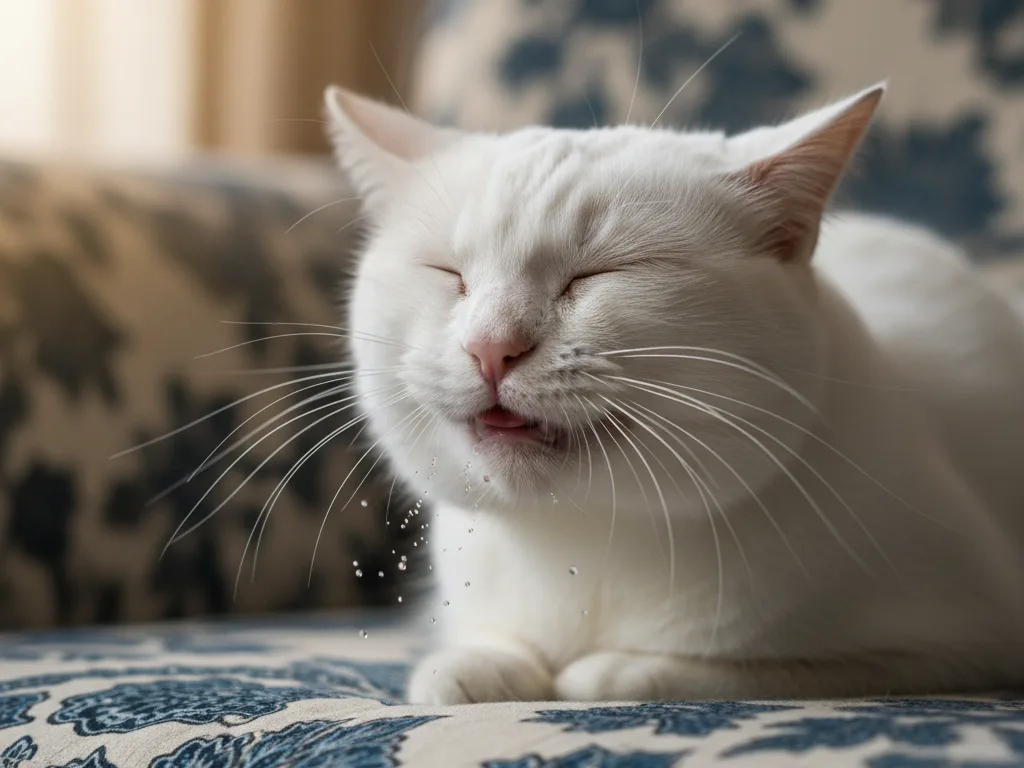
Is your cat sneezing and starting to have a runny nose? Don't panic immediately — but don't ignore it either. There's a big difference between normal sneezing and signs of a serious infection.
This is a practical guide to telling them apart and deciding when a vet visit is necessary.
Normal Sneezing vs Sneezing That Needs Attention
Don't Wait Until It's Too Late!
Normal Sneezing (No Cause for Concern)
- 1–3 sneezes per day
- Sneezing after smelling something strong (perfume, smoke)
- No other accompanying symptoms
- Cat is still eating, drinking, and active as usual
- Resolves on its own within 1–2 days
Sneezing That Needs a Vet Check
- Constant sneezing (5–10+ times in one session)
- Lasting more than 2–3 days
- Accompanied by nasal discharge (clear, yellow, or green)
- Watery eyes or excessive eye discharge
- Reduced appetite or refusing to eat
- Cat appears lethargic or weak
- Blood present in sneezes
Main Causes of Constant Sneezing in Cats
Upper Respiratory Infection (URI / "Cat Flu")
The most common cause. Mainly caused by Feline Herpesvirus (FHV-1) or Feline Calicivirus (FCV). Highly contagious between cats — especially in colony or shelter environments.
Bacterial Infection (Chlamydophila / Bordetella)
Often occurs as a secondary infection following a viral infection. Chlamydophila felis characteristically causes severe conjunctivitis (red, pus-filled eyes) along with sneezing.
Foreign Body in the Nose
A blade of grass, small seed, or other fragment lodged in the nasal passage. Sneezing is usually sudden and very forceful, often only from one nostril, and won't improve on its own.
Nasal Polyps / Tumour
Tissue growths in the nasal passage or throat. More common in older adult cats. Chronic sneezing that doesn't respond to standard treatment is an important warning sign.
Environmental Irritants & Allergies
Cigarette smoke, strong perfume, scented candles, litter dust, insecticide sprays — all can trigger sneezing. Sneezing usually stops once the irritant is removed.
Supportive Home Care (for Mild Cases)
For mild cat flu without complications, here's what you can do while monitoring the condition:
- Clean the nose and eyes with a soft cloth dampened with warm water — don't let crusting build up as it can block breathing
- Steam inhalation — bring your cat into the bathroom while you run a hot shower and let them inhale the steam for 10–15 minutes. This loosens mucus in the nasal passage.
- Wet food — sick cats often refuse to eat because a blocked nose means they can't smell. Wet food is more aromatic and easier to eat.
- Warm, comfortable environment — keep away from direct air conditioning, provide a warm and quiet bed.
- Isolate from other cats — URIs are highly contagious; isolate the sick cat while symptoms persist.
Vaccination as Primary Prevention
The FVRCP vaccine (Feline Viral Rhinotracheitis, Calicivirus, Panleukopenia) protects against the two main causes of cat flu — herpesvirus and calicivirus. Fully vaccinated cats can still get infected, but symptoms are much milder and recovery is faster. The core vaccine series starts at 8 weeks, with annual boosters.
Cat Won't Stop Sneezing? Birawa Vet Can Come to You
No need to stress about taking a sick cat to the clinic. A Birawa Vet doctor can come to your home for examination, sample collection, and medication — your cat stays comfortable and you stay at ease.
Book a Home VisitFrequently Asked Questions
Is it normal for a cat to sneeze occasionally?
What are the most common causes of constant sneezing in cats?
Can cat flu spread to humans?
When should a sneezing cat be taken to the vet urgently?
Can cat flu resolve on its own?
Medically Reviewed by
Birawa Vet Medical Team
This article has been verified by our medical team to ensure veterinary information accuracy.
The information in this article is for general educational purposes only and is not a substitute for direct consultation with a veterinarian.
Every pet has unique conditions. Do not hesitate to seek professional help if your pet is sick.
Share Article
Schedule Home Vaccination
Vet comes to your home. Complete vaccines, official booklet, no clinic queues.
Read Next
View All
A Canary That Stops Singing: When It Is Medical, Not Just Moulting
A canary that stops singing is not always moulting. Learn when the silence is a natural phase and when it signals a health problem that needs a vet. Free WhatsApp consultation.

Sulcata Tortoise Won't Eat: Causes and When to See a Vet
Your sulcata on a food strike? Often it is not about taste but temperature, light, and enclosure care. Learn the causes and when to see an exotic vet. Free WhatsApp consultation.
Hedgehog Refusing Food or Bloating: When to See a Vet
Hedgehog refusing to eat or its belly looks bloated? Learn the warning signs, how it differs from a hibernation attempt, and when to see an exotic vet. Free WhatsApp consultation.