Key Takeaways
Many cat owners delay spaying or neutering because they don't know the right time — or they believe myths like "she needs to have a. Free WhatsApp consultation.
Best Time to Spay or Neuter a Cat? Age & Conditions

The question "when to spay or neuter a cat?" is more complex than it seems — and much of the information circulating online (or from well-meaning neighbors) is inaccurate.
Here is a vet-recommended, evidence-based explanation of the best timing, required conditions, and myths that need to be corrected.
Age Guide for Spay/Neuter
Don't Wait Until It's Too Late!
| Age | Recommendation | Notes |
|---|---|---|
| Under 4 months | ⚠️ Best to wait | Weight often insufficient, higher anesthesia risk |
| 4–6 months | ✅ Ideal | Before first heat, best mammary cancer protection, faster recovery |
| 6 months – 2 years | ✅ Still very good | Safe, low anesthesia risk, standard procedure |
| 2–7 years | ✅ Can be done | Pre-anesthetic blood checkup needed for safety |
| Over 7 years | ⚠️ Stricter evaluation needed | Full pre-anesthetic workup required (blood + cardiac), discuss benefits vs risks |
Myths vs Facts
"A cat needs to have a litter before being spayed"
There is no medical basis for this. Pregnancy actually increases surgical risk. Spaying before the first heat cycle is the optimal time.
"Spaying makes cats fat and lazy"
Spaying/neutering slightly reduces caloric needs (~20%). With adjusted food portions and sufficient activity, spayed/neutered cats can maintain an ideal weight.
"Too young to spay, wait until one year old"
Cats can become pregnant as early as 4–5 months. Waiting a year increases the risk of unwanted pregnancy and reduces the mammary cancer protection benefit of early spaying.
"Male cats don't need to be neutered"
Neutering males reduces: spraying (strong-smelling urine marking), fighting and abscess risk, the urge to roam, and testicular cancer risk. The benefits are significant for both cat and owner.
Pre-Spay/Neuter Checklist
- Cat is in good health (no fever, no active infection)
- Minimum weight 1.8–2 kg (for anesthesia safety)
- Core vaccines given (optional but recommended to reduce infection risk)
- 8–12 hour food fast before surgery
- Pre-anesthetic bloodwork (mandatory for senior cats, strongly recommended for all)
- Not currently in an active heat cycle (wait 2–3 weeks after heat ends)
Consult on the Right Timing for Spaying/Neutering
Birawa Vet doctors can perform a pre-surgery examination at your home, including condition evaluation and pre-anesthetic bloodwork — before you bring your cat to the clinic for the procedure.
Pre-Spay/Neuter ConsultationFrequently Asked Questions
What is the ideal age to spay or neuter a cat?
Does a cat need to have a litter or go into heat before being spayed?
Is it safe to spay a cat that is currently in heat?
How long should a cat fast before spay/neuter surgery?
What conditions mean spaying/neutering should be avoided or postponed?
Medically Reviewed by
Birawa Vet Medical Team
This article has been verified by our medical team to ensure veterinary information accuracy.
The information in this article is for general educational purposes only and is not a substitute for direct consultation with a veterinarian.
Every pet has unique conditions. Do not hesitate to seek professional help if your pet is sick.
Share Article
Steril Promo This Month!
Sterilization procedure per WSAVA Spay-Neuter standard (inhalation/injectable anesthesia per patient condition, vital sign monitoring) at special price. Consult first before procedure.
Read Next
View All
Cat Grooming at Home vs Salon: Which Is Cheaper and Safer?
Cat grooming at a salon vs a mobile groomer vs during a vet visit — which is more affordable and safer? A comparison of costs. Free WhatsApp consultation.
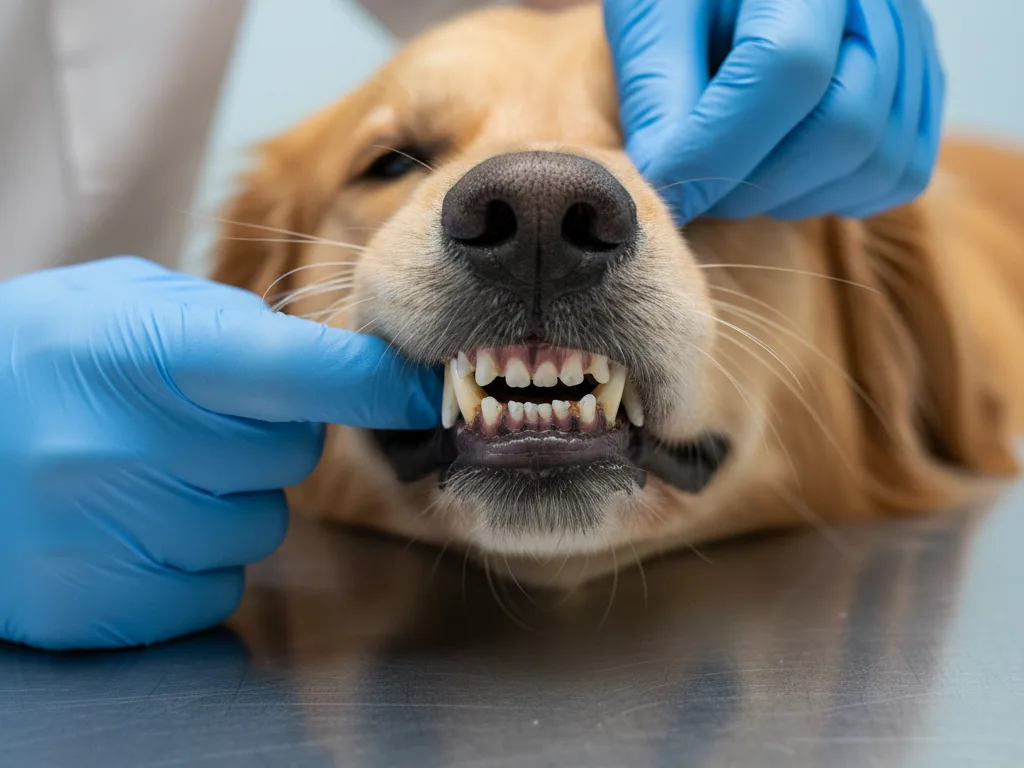
When Does a Dog Need Dental Scaling? Signs, Procedure & Cost 2026
Dog dental scaling is more than just cleaning — it's a medical procedure to prevent heart and kidney infections. Learn when your. Free WhatsApp consultation.
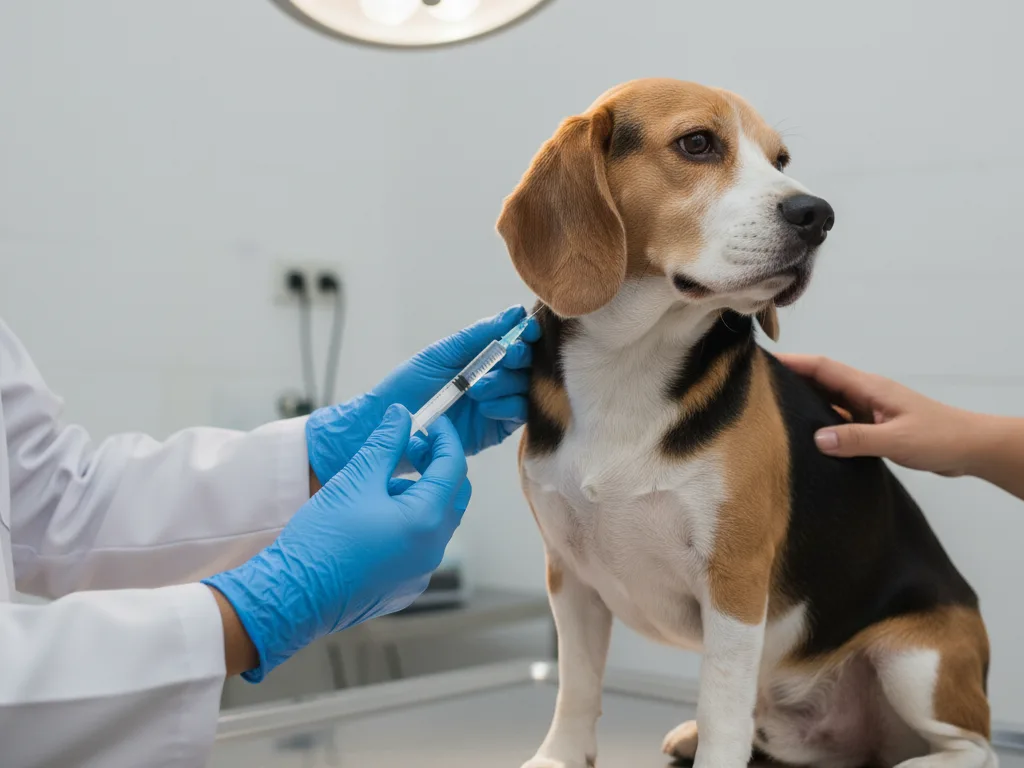
How Many Vaccines Does a Dog Need Per Year? Schedule & Cost
How many times a year does a dog need vaccines? Complete 2026 dog vaccination schedule: from puppy to adult, core and non-core. Free WhatsApp consultation.