Key Takeaways
Sick hamsters often hide their symptoms until the condition is serious. Learn the signs of illness you should never ignore, the. Free WhatsApp consultation.
Sick Hamster: Warning Signs to Watch For and When to See a Vet
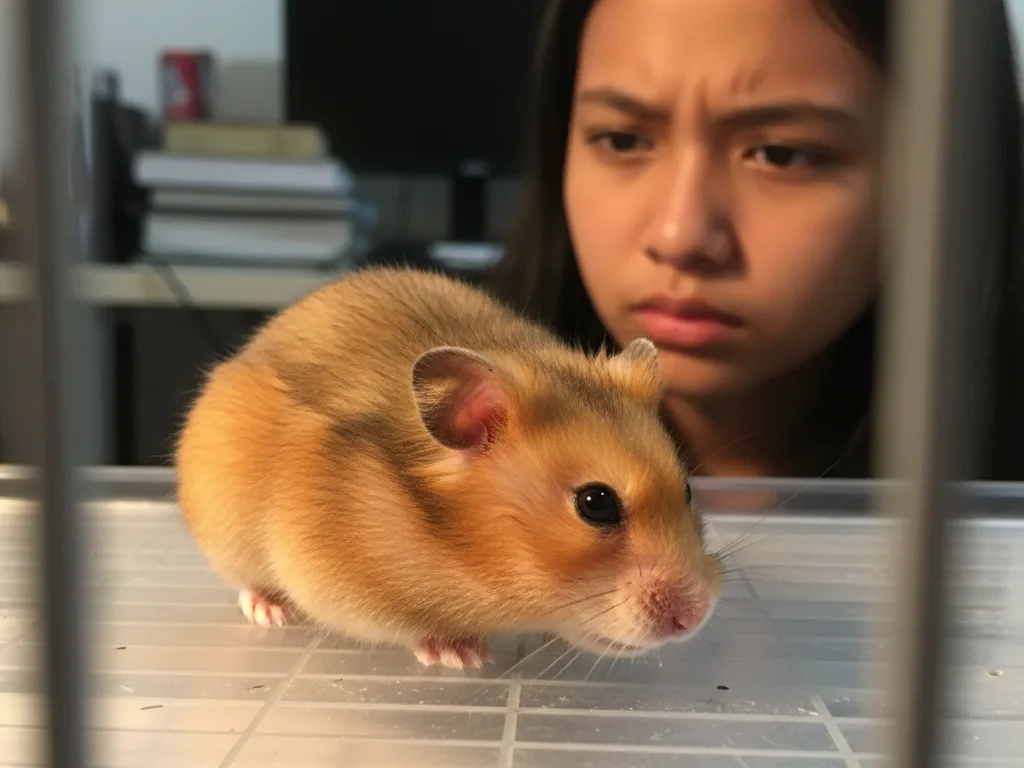
Hamsters are very good at hiding their pain — a survival instinct from the wild. By the time a hamster shows clearly visible signs of illness, the condition is often already quite serious. That is why early detection is so important.
Warning Signs of a Sick Hamster
Emergency Signs (See a Vet Immediately)
- Wet, foul-smelling tail/rear area (wet tail)
- Completely motionless, severely lethargic
- Very labored or noisy breathing
- Not eating or drinking for more than 24 hours
- Seizures or abnormal spinning
Signs That Need Prompt Examination
- Dull or raised fur (piloerection)
- Sticky, watery, or closed eyes
- Lumps or swelling on the body
- Visibly noticeable weight loss
- Inactive at night
Most Common Hamster Diseases
Wet Tail (Proliferative Ileitis)
A serious bacterial infection of the intestines. Wet rear end, very watery diarrhea, foul smell, severe lethargy. High mortality rate within 24–48 hours without treatment. Medical emergency.
Tumors / Neoplasia
Hamsters are very prone to tumors, especially Campbell and Syrian hamsters. Any lump anywhere on the body should be examined by a vet to determine whether it is benign or malignant.
Dental Disease (Malocclusion / Overgrown Teeth)
A hamster's teeth grow throughout its life. Without enough material to wear them down (wood, fibrous food), teeth can grow abnormally and cause difficulty eating, weight loss, and infection.
Respiratory Infection
Hamsters are susceptible to colds and respiratory infections — which can even be passed on from humans. Symptoms: sneezing, noisy breathing, nasal or eye discharge, reduced appetite.
Diabetes
Particularly common in Campbell hamsters. Signs: excessive drinking and urinating, weight loss despite a good appetite. A low-sugar diet is very important for this breed.
Important: Hamsters and Ambient Temperature
Hamsters are very sensitive to temperature. Below 15°C, a hamster can enter a state of torpor (pseudo-hibernation) — appearing dead but actually just unconscious. Above 27–28°C, they risk heat stroke. Keep the enclosure at a stable 18–22°C, away from direct air conditioning and sunlight.
Panggil Dokter ke Rumah
Birawa Vet provides examinations and care for exotic animals including hamsters. For a consultation or a home visit, contact us via WhatsApp. For emergencies (wet tail, unresponsive hamster), seek an exotic animal clinic with hospitalization facilities immediately.
Don't Wait Until It's Too Late!
Ingin tahu estimasi biaya?
Frequently Asked Questions
What are the signs that a hamster is sick?
My hamster isn't eating — what should I do?
What is wet tail in hamsters and is it dangerous?
Are there vets in Jakarta who can treat hamsters?
Medically Reviewed by
Birawa Vet Medical Team
This article has been verified by our medical team to ensure veterinary information accuracy.
The information in this article is for general educational purposes only and is not a substitute for direct consultation with a veterinarian.
Every pet has unique conditions. Do not hesitate to seek professional help if your pet is sick.
Share Article
Need an Exotic Pet Vet?
Our vet understands exotic pet anatomy and medical needs — coming directly to your home.
Read Next
View All
A Canary That Stops Singing: When It Is Medical, Not Just Moulting
A canary that stops singing is not always moulting. Learn when the silence is a natural phase and when it signals a health problem that needs a vet. Free WhatsApp consultation.

Sulcata Tortoise Won't Eat: Causes and When to See a Vet
Your sulcata on a food strike? Often it is not about taste but temperature, light, and enclosure care. Learn the causes and when to see an exotic vet. Free WhatsApp consultation.
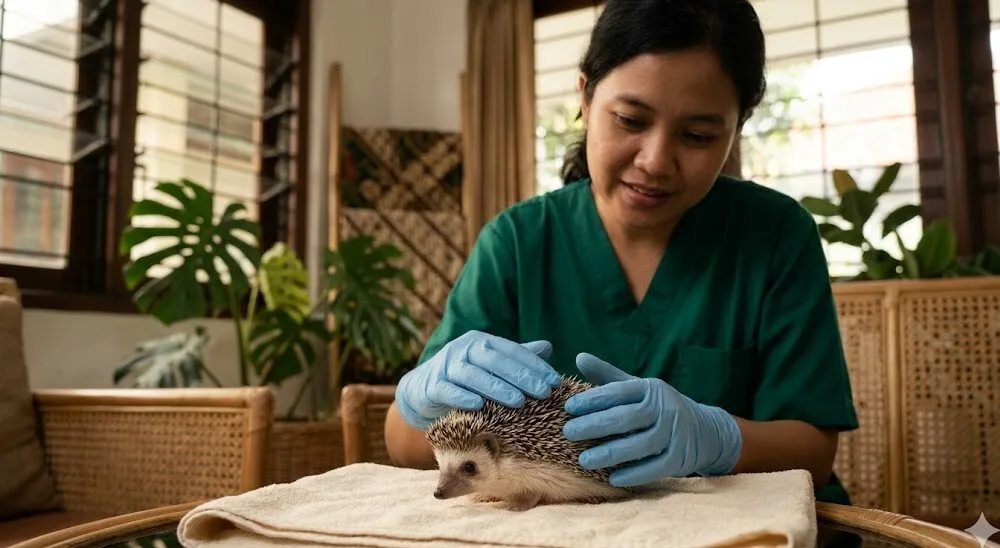
Hedgehog Refusing Food or Bloating: When to See a Vet
Hedgehog refusing to eat or its belly looks bloated? Learn the warning signs, how it differs from a hibernation attempt, and when to see an exotic vet. Free WhatsApp consultation.