Key Takeaways
Is your cat sneezing, eyes crusted shut, and refusing to eat? Beware of Herpes/Calicivirus infection! Learn about the dangers and. Free WhatsApp consultation.
Cat with Severe Flu, Crusted Eyes & No Appetite: Liver Risk
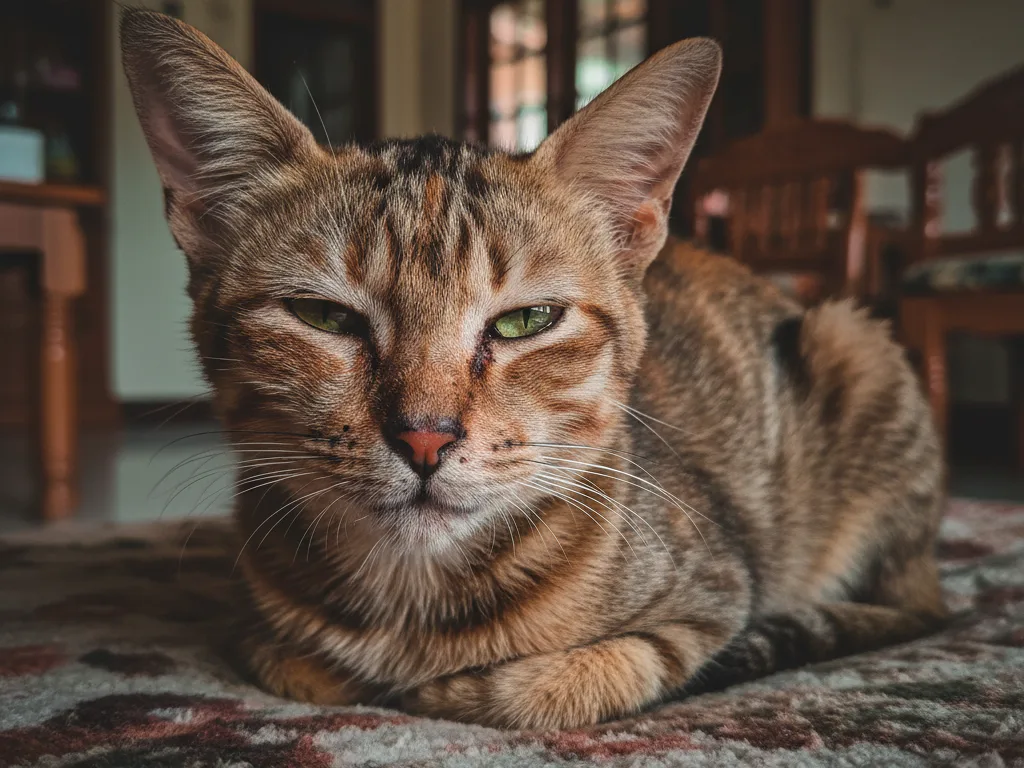
A cat curled up listlessly, eyes crusted shut, and sneezing constantly is often dismissed as "just a minor cold." In reality, Upper Respiratory Infections (URI) in cats can be severely damaging and even fatal — especially for kittens or elderly cats.
The 3 Main Culprits Behind "Cat Flu"
Don't Wait Until It's Too Late!
- Feline Herpesvirus (FHV-1): Attacks the eyes, causing severe swelling and redness (Conjunctivitis). Can lead to permanent blindness if the cornea is damaged (corneal ulcer).
- Feline Calicivirus (FCV): Attacks the mouth, causing severe ulcers on the tongue and gums. Makes the cat drool excessively and experience pain when swallowing.
- Chlamydia / Mycoplasma: Secondary bacteria that worsen discharge from the eyes and nose.
The Greatest Threat: Liver Failure (Hepatic Lipidosis)
The flu itself may not kill directly, but refusing to eat often does. A cat's body is not designed to fast. If a cat stops eating for more than 48 hours (especially an overweight cat), body fat floods the liver, causing acute liver damage. If the cat's ears or gums have turned yellow (jaundice), this is a major red flag.
Intensive Home Nursing Care
Beyond the vet's medication, your care at home is crucial to recovery:
- Steam Therapy: Bring the cat into a closed bathroom and run a hot shower until the room fills with steam. Leave for 10–15 minutes. Steam helps loosen the mucus blocking the nose.
- Clean Eyes & Nose: Use a warm, damp cotton ball to gently wipe away crusty discharge every 2–3 hours. Clear nose = can smell food = will eat.
- Strong-Smelling Food: Offer wet food slightly warmed (5 seconds in the microwave) to release aroma. Use high-calorie recovery food (such as a/d or Recovery).
- Force Feed if Necessary: If your cat still refuses to eat, you MUST syringe-feed small amounts (using a syringe without a needle) every 4 hours.
Strong Warning: NEVER Give Human Medicine!
Paracetamol = POISON for Cats
Never give Panadol, Bodrex, or any human cold medicine to a cat. Cats lack the enzyme to process it. These drugs destroy a cat's red blood cells, causing them to suffocate from the inside (blue/purple gums).
Isolate Your Cat — Stop the Spread!
Cat flu viruses are HIGHLY contagious through the air (sneezing) and direct contact (shared food/water bowls). Isolate the sick cat in a separate room. Always wash your hands with soap before handling your other cats.
When to Call the Vet?
Call immediately if: breathing sounds like loud rattling (pneumonia), the cat is breathing with its mouth open, or the cat is so weak it cannot stand.
Prevention: Vaccination Is the First Line of Defence
Both Feline Herpesvirus and Calicivirus are covered by the core cat vaccine (FVRCP). Vaccination does not guarantee your cat will never get sick, but it significantly reduces the severity of symptoms. Vaccinated cats that become infected tend to recover faster and are far less likely to develop serious complications.
- Kittens: A series of 3 injections starting at 8 weeks of age, then annual boosters thereafter.
- Unvaccinated adult cats: A series of 2 injections 3–4 weeks apart, then annual boosters.
- Important note: Cats that have previously had FHV become lifelong carriers — the virus can reactivate during stress, a house move, or when immunity drops. Isolating from new cats is always recommended.
Managing Carrier Cats: Long-Term Care
Many cats that "recover" from flu still carry Herpesvirus in a dormant state. They show no symptoms, but can infect other cats. Here is how to manage them:
- L-Lysine supplement — an amino acid that inhibits Herpesvirus replication, given daily mixed into food.
- Reduce stress sources: keep feeding routines consistent, provide enough hiding spots and vertical space.
- Separate from new or unvaccinated cats, especially kittens.
- Monitor for reactivation signs: sudden sneezing, eye discharge, or reduced appetite — consult a vet promptly.
Nutrition and Recovery: Foods That Help Your Cat Heal
Alongside the vet's medication, food choices significantly affect recovery speed. The key principle: strong aroma and soft texture to stimulate appetite when the sense of smell is compromised.
- High-quality wet food: Warm slightly (5–10 seconds in the microwave) to intensify the aroma.
- Specialist recovery food: Hills a/d, Royal Canin Recovery, or Eukanuba Convalescence Support — high in calories and protein to support immunity.
- Unseasoned chicken broth: Boil a chicken breast with no seasoning or onions, use the broth. Can be syringe-fed as additional fluid intake.
- Avoid: Tuna-based foods — can cause nutritional deficiency (thiamine) if given long-term during recovery.
Summary: Cat Flu Emergency Checklist
DO immediately:
- Isolate from other cats
- Clean eyes and nose with warm damp cotton
- Steam therapy in a closed steamy bathroom
- Warm food to intensify aroma
- Force-feed if cat refuses food for more than 12 hours
- Contact a vet promptly
NEVER do:
- Give Paracetamol/Panadol or any human medicine
- Let the cat go without food for more than 24 hours
- Force-feed when the cat is under extreme stress
- Dismiss symptoms because the cat can still stand
- Delay seeing a vet beyond 48 hours
Panggil Dokter ke Rumah
Frequently Asked Questions
Why does a cat with flu stop eating?
Can I give Paracetamol to a feverish cat?
What is the danger if a cat refuses to eat for several days?
Medically Reviewed by
Birawa Vet Medical Team
This article has been verified by our medical team to ensure veterinary information accuracy.
The information in this article is for general educational purposes only and is not a substitute for direct consultation with a veterinarian.
Every pet has unique conditions. Do not hesitate to seek professional help if your pet is sick.
Share Article
Schedule Home Vaccination
Vet comes to your home. Complete vaccines, official booklet, no clinic queues.
Read Next
View All
A Canary That Stops Singing: When It Is Medical, Not Just Moulting
A canary that stops singing is not always moulting. Learn when the silence is a natural phase and when it signals a health problem that needs a vet. Free WhatsApp consultation.

Sulcata Tortoise Won't Eat: Causes and When to See a Vet
Your sulcata on a food strike? Often it is not about taste but temperature, light, and enclosure care. Learn the causes and when to see an exotic vet. Free WhatsApp consultation.
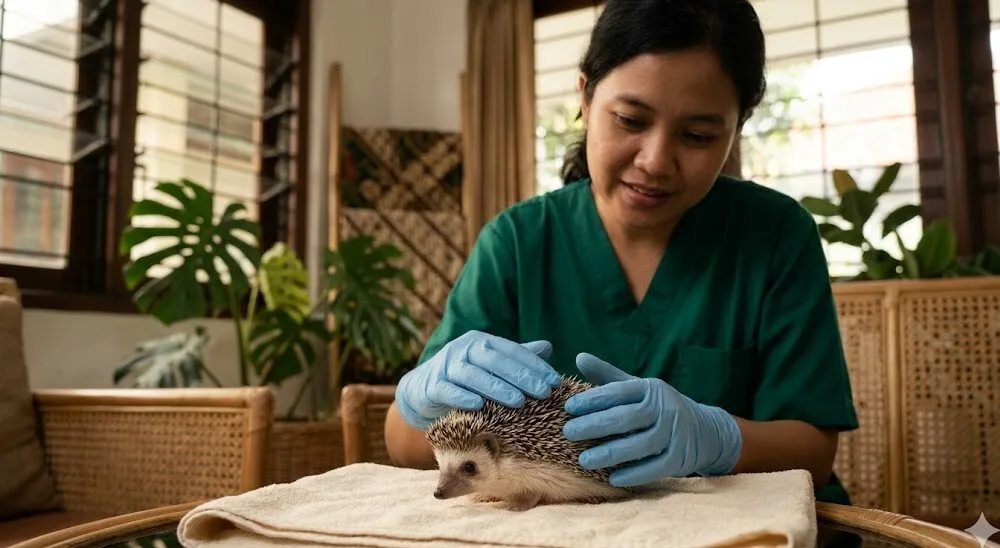
Hedgehog Refusing Food or Bloating: When to See a Vet
Hedgehog refusing to eat or its belly looks bloated? Learn the warning signs, how it differs from a hibernation attempt, and when to see an exotic vet. Free WhatsApp consultation.