Key Takeaways
Distemper is one of the deadliest diseases in dogs — the mortality rate can reach 80% in puppies. There is no antiviral cure. But. Free WhatsApp consultation.
Canine Distemper: Symptoms, Transmission, Prevention & Mortality Rate
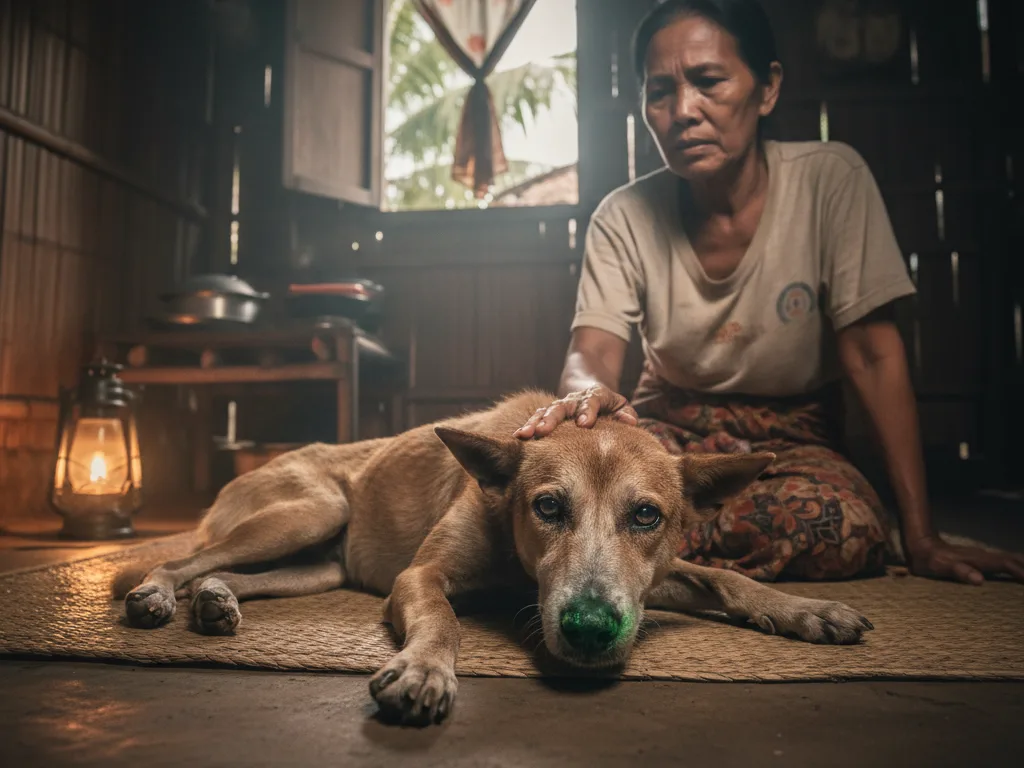
Distemper is a nightmare for dog owners. Caused by Canine Distemper Virus (CDV), this disease attacks almost every organ system — respiratory, digestive, and nervous. There is no cure. But it is fully preventable.
Recognize the symptoms as early as possible — in the early phase, treatment can still improve the chance of survival.
Stages of Distemper Symptoms
Don't Wait Until It's Too Late!
- Fever 39.5–41°C
- Nasal discharge (clear at first, eventually thick yellow-green)
- Red, watery eyes with eye discharge
- Loss of appetite, lethargy
- Dry cough that becomes phlegmy
- Seizures (convulsions)
- Muscle twitching (myoclonus) — rhythmic jerking movements
- Head tilt, loss of coordination
- Partial paralysis
- Behavioral changes, disorientation
Dogs that reach the neurological phase have a very poor prognosis. Even if they survive, permanent neurological damage often remains.
Available Treatment
There is no drug that kills the distemper virus. Treatment focuses on:
- Antibiotics — to prevent or treat secondary bacterial infections (pneumonia)
- IV fluids — to address dehydration from diarrhea and not eating
- Anticonvulsants — to control seizures in the neurological phase
- Supportive nutrition — feeding tube if not eating
- Strict isolation — from other dogs, highly contagious
The key is early detection. The sooner treatment starts, the better the chances.
Prevention: Vaccination Is the Only Way
DHPPi/DHPP vaccine (Distemper, Hepatitis, Parvo, Parainfluenza) is a core vaccine that is mandatory for all dogs:
Puppy Schedule:
- • Dose 1: 6–8 weeks of age
- • Dose 2: 10–12 weeks of age
- • Dose 3: 14–16 weeks of age
- • Booster: 12 months after the last dose
Adult Dogs:
- • If never vaccinated: 2 doses 3–4 weeks apart
- • Booster: every 1–3 years
- • Don't wait until your dog has been exposed to a sick dog
Dog Vaccination Can Be Done at Home
Birawa Vet provides DHPPi and rabies vaccinations at your home — safer for puppies who cannot yet go outside, and more comfortable for dogs that get stressed at the clinic.
Book a Home VaccinationIMPORTANT: Medical Disclaimer
This educational content is not a substitute for veterinary examination. For diagnosis and treatment, consult a vet directly. Chat with drh. Arif via WhatsApp for a free 5-minute consultation.
Frequently Asked Questions
Can a dog recover from distemper?
How does distemper spread to other dogs?
What age of dogs are most vulnerable to distemper?
When should puppies be vaccinated to prevent distemper?
Can distemper spread to cats or humans?
Medically Reviewed by
Birawa Vet Medical Team
This article has been verified by our medical team to ensure veterinary information accuracy.
The information in this article is for general educational purposes only and is not a substitute for direct consultation with a veterinarian.
Every pet has unique conditions. Do not hesitate to seek professional help if your pet is sick.
Share Article
Schedule Home Vaccination
Vet comes to your home. Complete vaccines, official booklet, no clinic queues.
Read Next
View All
A Canary That Stops Singing: When It Is Medical, Not Just Moulting
A canary that stops singing is not always moulting. Learn when the silence is a natural phase and when it signals a health problem that needs a vet. Free WhatsApp consultation.

Sulcata Tortoise Won't Eat: Causes and When to See a Vet
Your sulcata on a food strike? Often it is not about taste but temperature, light, and enclosure care. Learn the causes and when to see an exotic vet. Free WhatsApp consultation.
Hedgehog Refusing Food or Bloating: When to See a Vet
Hedgehog refusing to eat or its belly looks bloated? Learn the warning signs, how it differs from a hibernation attempt, and when to see an exotic vet. Free WhatsApp consultation.