Key Takeaways
Many people think a home visit is just a quick injection. In fact, our vet performs a thorough physical examination covering. Free WhatsApp consultation.
Full General Check-Up Procedure During a Home Visit
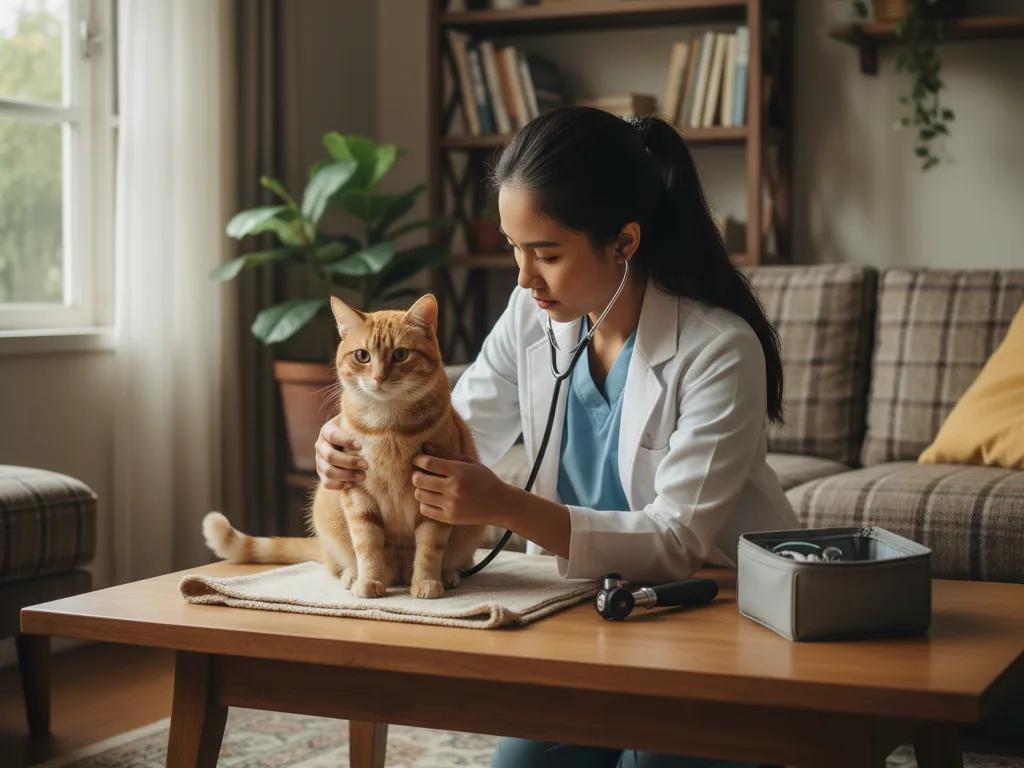
Many pet parents are surprised when our vet arrives at their home and spends 15–20 minutes simply examining the animal before even reaching for a syringe.
"Doc, why is the examination taking so long? We're just here for a vaccine/vitamin shot."
This is a common misconception. A home visit is not a medication delivery service. It's a professional medical service brought to your living room. Pets are experts at hiding pain (masters of disguise). Animals that appear perfectly healthy are often harbouring chronic problems. To understand the home visit concept better, you can also read our article Home Visit vs Vet Clinic.
This is the purpose of a Comprehensive Physical Examination. Here is a detailed breakdown of what our vet's hands, eyes, and stethoscope are actually searching for when examining your pet:
1. Vital Signs & Auscultation (Heart & Lungs)
Don't Wait Until It's Too Late!
The examination begins with stillness. The vet uses a stethoscope not as a prop, but to listen to the story told by the vital organs:
- Heart Rate: We count the Heart Rate (HR). Is it too fast (tachycardia) due to illness or stress, or too slow (bradycardia)? We listen for abnormal sounds such as a murmur (leaky heart valve) or arrhythmia (irregular rhythm) that owners often miss.
- Lung Sounds: We listen to each breath across multiple sides of the chest. Are there any wheezing, crackles (fluid), or laboured breathing sounds? This is crucial for early detection of respiratory infections or asthma.
- Body Temperature: We take the rectal temperature. The normal range for dogs and cats is 38°C–39.2°C. A change of even 1 degree can be an early sign of viral infection or heat stroke.
2. Head-to-Neck Inspection
- Eyes: We check pupil reflexes, corneal clarity (any ulcers or scratches?), and the colour of the mucous membranes. Pale colouring may indicate anaemia, while yellow (icterus) can point to liver damage.
- Ears: Using an otoscope when needed, we examine deep into the ear canal to check for ear mites, fungal infections, or otitis (inflammation) — which often causes pets to repeatedly shake their head.
- Mouth & Teeth (Dental Check): We press the gums to assess Capillary Refill Time (CRT) as an indicator of circulation and hydration. We also check for tartar, gingivitis, mouth ulcers, and bad breath — which can indicate kidney disease (uraemic odour) or diabetes (acetone/sweet smell).
- Lymph Node Palpation: We feel the lymph nodes beneath the jaw (submandibular). Swelling here is an "alarm signal" that the body is fighting an infection.
3. Abdominal Palpation
This is the art of feeling internal organs through the abdominal wall. The vet performs a gentle but targeted palpation to assess:
- Stomach & Intestines: Any intestinal thickening? Excessive gas build-up? Or is there a palpable mass or foreign object that has been swallowed?
- Bladder (Urinary Bladder): Is it full, hard, or painful when pressed? In male cats, this is critical for detecting a urethral obstruction (FLUTD), which can be fatal.
- Kidneys & Liver: Checking organ size and contour. Abnormally enlarged or shrunken kidneys can be detected by palpation in lean animals.
4. Integument (Skin & Coat) & Hydration Status
The skin is a mirror of internal health.
- Skin Turgor: We pinch the skin on the back to see how quickly it snaps back. If it's slow, the pet is dehydrated — something that may not be obvious from the water bowl.
- Ectoparasites: Looking for signs of fleas (flea dirt), ticks, or scabies mites.
- Skin Lesions: Detecting ringworm (fungal infection), allergies, hotspots, or skin tumours (lumps & bumps) no matter how small.
5. Musculoskeletal (Bones & Muscles)
At home, the vet can observe your pet walking on their normal floor — not a slippery clinic table.
- We manipulate leg joints to check Range of Motion.
- We detect signs of joint pain (arthritis) in older animals, which owners often dismiss as "just being lazy".
- We check for muscle atrophy (muscle wasting) on one side of a limb, which can indicate an old injury.
6. Environmental Assessment (The Home Visit Advantage)
This is something a clinic simply cannot offer. Our vet also acts as an "environmental detective":
- Checking litter box placement: Is the position causing stress and leading to inappropriate elimination?
- Checking household plants: Are there any toxic plants (such as Lily flowers for cats) within reach?
- Observing social interactions between animals at home to assess stress levels.
Conclusion
When you book a home visit, you're not paying someone to come and give an injection. You're investing in early detection.
This detailed physical examination allows us to catch disease signals before they become serious and expensive to treat. So when our vet arrives, let them carry out their "detective work" — it's all in the service of your beloved pet's long-term health.
Frequently Asked Questions
What is the difference between a general check-up during a home visit and a standard vaccination?
How often does a pet need a general check-up?
Can a general check-up be combined with a home visit vaccination?
Where can I read more about the benefits of a home visit compared to going to a clinic?
Medically Reviewed by
Birawa Vet Medical Team
This article has been verified by our medical team to ensure veterinary information accuracy.
The information in this article is for general educational purposes only and is not a substitute for direct consultation with a veterinarian.
Every pet has unique conditions. Do not hesitate to seek professional help if your pet is sick.
Share Article
Schedule Home Vaccination
Vet comes to your home. Complete vaccines, official booklet, no clinic queues.
Read Next
View All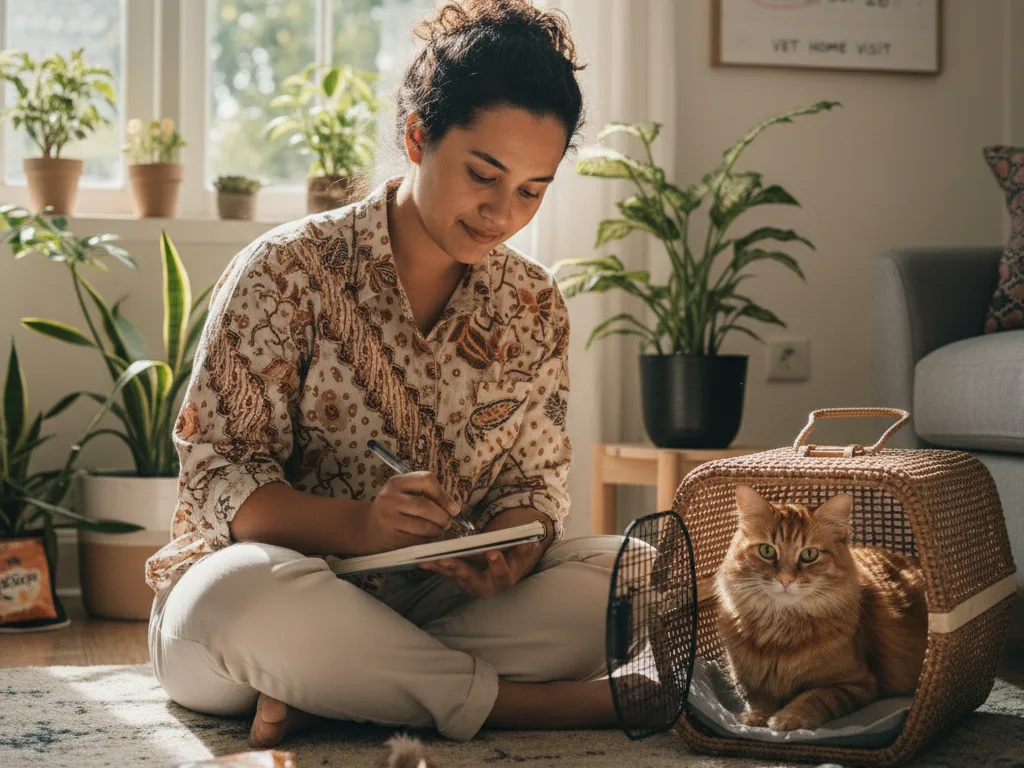
Checklist Before Your Vet Home Visit: Make Every Appointment More Effective
A step-by-step guide to preparing for a vet home visit: from gathering medical history and setting up the room to reducing your. Free WhatsApp consultation.

Home Visit Vet in South Jakarta: Complete Guide to Coverage Areas & Costs
Want to understand home visit vet services in South Jakarta? This pillar article covers service areas, suitable cases, and how. Free WhatsApp consultation.
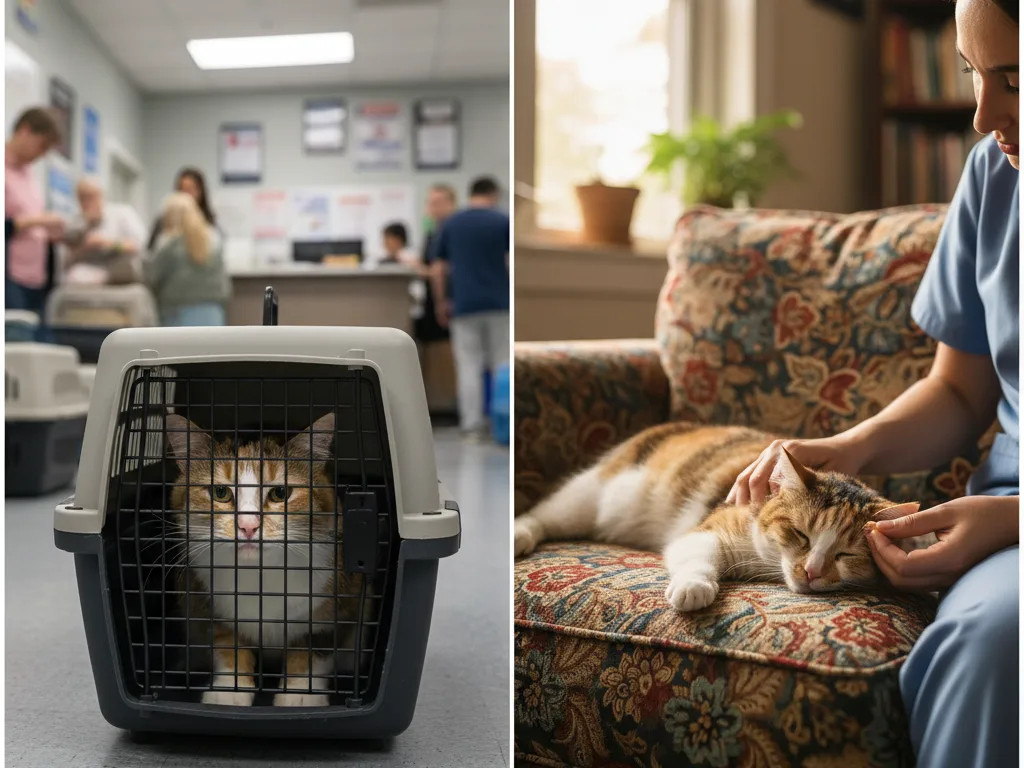
Home Visit vs Vet Clinic: Which One Is Truly "Closer" to Your Needs?
Still unsure whether to call a vet to your home or head to a clinic? Read the honest pros and cons so you can make the right. Free WhatsApp consultation.