Key Takeaways
Just got your first dog? From feeding and vaccines to bathing and signs of illness — here is everything you need to know in the. Free WhatsApp consultation.
How to Care for a Dog as a Beginner: A Complete A to Z Guide

Welcome to the world of dog ownership! The first few months can feel overwhelming — there's a lot to learn at once. This guide covers everything you really need to know, in priority order.
1. Food: The Foundation of a Dog's Health
Don't Wait Until It's Too Late!
Puppies (< 1 year)
- 3–4 meals per day
- Pick dry food labeled "puppy" or "all life stages"
- Don't switch food abruptly — transition over 7 days
- Fresh water always available
Adult Dogs (1–7 years)
- 2 meals a day, portions matched to ideal body weight
- Dry food, wet food, or a combination of both
- Avoid free-feeding (a bowl that's always full)
- Monitor body condition — ribs felt but not seen = ideal
2. Vaccinations: Mandatory, Not Optional
Core vaccine schedule for puppies:
3. Antiparasitics: Often Overlooked but Crucial
Dewormer
Puppies: every 2 weeks from 2–8 weeks of age, then monthly until 6 months old. Adults: every 3 months. Use a dewormer that covers multiple types (roundworm, hookworm, tapeworm).
Flea & Tick Prevention
Monthly spot-on or oral medication (NexGard, Bravecto) every 1–3 months. Fleas don't just cause itching — they also transmit tapeworms and other diseases.
4. Routine Physical Care
Bathing
Every 4–6 weeks. Use dog-specific shampoo. Make sure to dry thoroughly — especially the ears and skin folds.
Nail Trimming
Every 3–4 weeks or when you hear "click" sounds on the floor when they walk. Nails that are too long cause joint pain and abnormal posture.
Ear Checks
Once a week. Look for unusual smell, excess dark brown discharge, or your dog scratching the ears often. Clean with cotton + a pet-specific ear cleaner — never push cotton buds in deep.
Tooth Brushing
Ideally daily, at minimum 3x a week. Use a dog-specific toothbrush and toothpaste — human toothpaste is toxic to dogs. Start young so they get used to it.
5. Mental and Social Needs
- Daily exercise — at least 30 minutes of walking for small breeds, 1–2 hours for large and active breeds
- Interactive playtime — fetch, tug-of-war, sniff games
- Early socialization — introduce to new people, sounds, and environments from a young age
- Basic training — sit, stay, come, wait — beyond discipline, this is important mental stimulation
- Quality time — dogs are social animals; they cannot be happy isolated all day
6. Signs Your Dog Needs to See a Vet
Contact a vet immediately if:
New Dog? Start with a General Checkup
The best first step for a new dog is a general checkup and a vaccine schedule consultation. Birawa Vet doctors can come to your home — no need to stress out by bringing an under-vaccinated puppy to a public place.
Book a New Dog CheckupFrequently Asked Questions
What are the basic needs of a pet dog?
How often should a dog be bathed?
When can a puppy go outside and meet other dogs?
What foods can and cannot be given to dogs?
Do dogs need a regulated sleep schedule?
Medically Reviewed by
Birawa Vet Medical Team
This article has been verified by our medical team to ensure veterinary information accuracy.
The information in this article is for general educational purposes only and is not a substitute for direct consultation with a veterinarian.
Every pet has unique conditions. Do not hesitate to seek professional help if your pet is sick.
Share Article
Schedule Home Vaccination
Vet comes to your home. Complete vaccines, official booklet, no clinic queues.
Read Next
View All
Cat Grooming at Home vs Salon: Which Is Cheaper and Safer?
Cat grooming at a salon vs a mobile groomer vs during a vet visit — which is more affordable and safer? A comparison of costs. Free WhatsApp consultation.
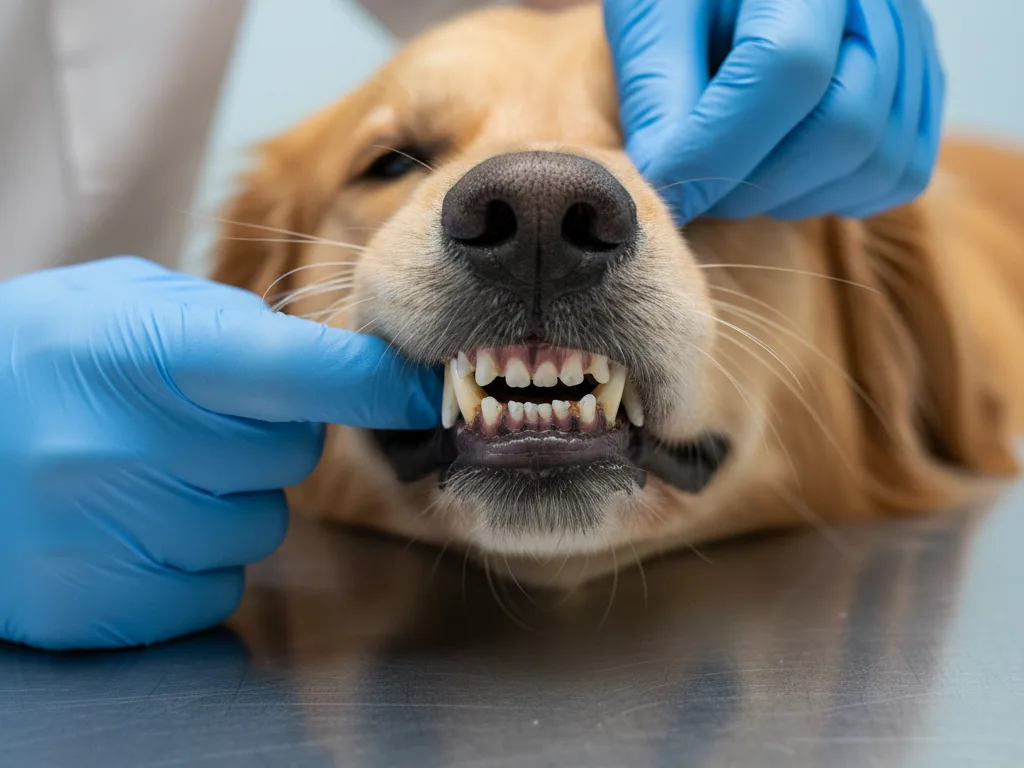
When Does a Dog Need Dental Scaling? Signs, Procedure & Cost 2026
Dog dental scaling is more than just cleaning — it's a medical procedure to prevent heart and kidney infections. Learn when your. Free WhatsApp consultation.
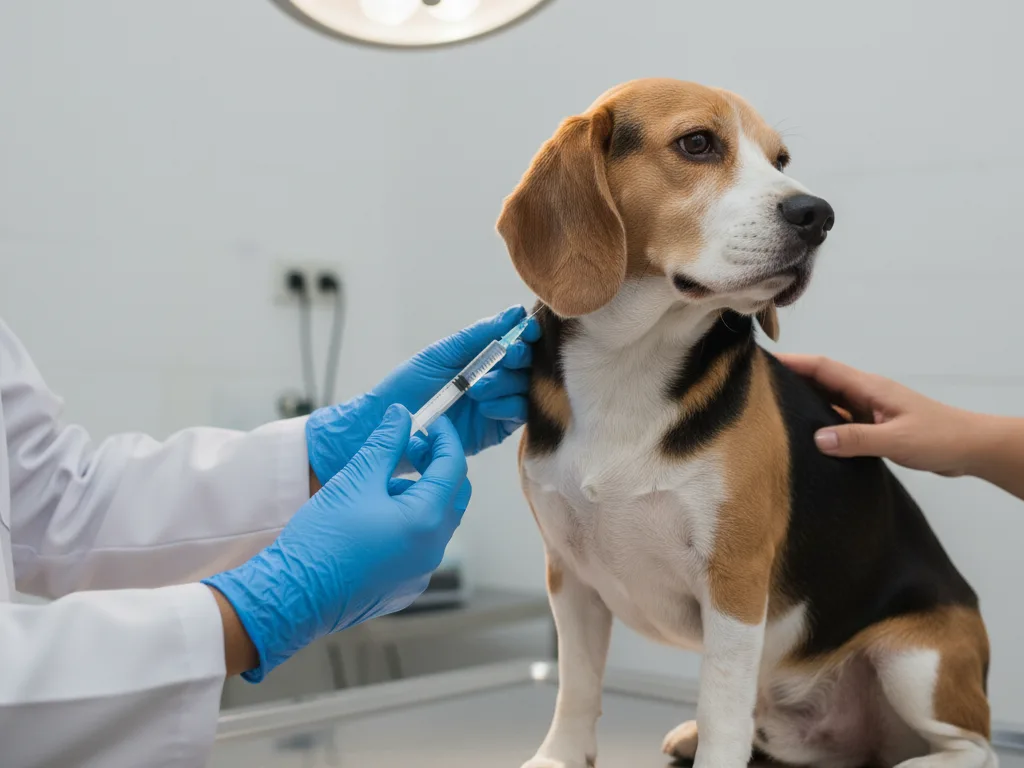
How Many Vaccines Does a Dog Need Per Year? Schedule & Cost
How many times a year does a dog need vaccines? Complete 2026 dog vaccination schedule: from puppy to adult, core and non-core. Free WhatsApp consultation.