Key Takeaways
Dogs are considered senior from around age 7–8 (earlier for large breeds). At this stage, their needs change significantly — from. Free WhatsApp consultation.
How to Care for a Senior Dog: Nutrition & Early Detection
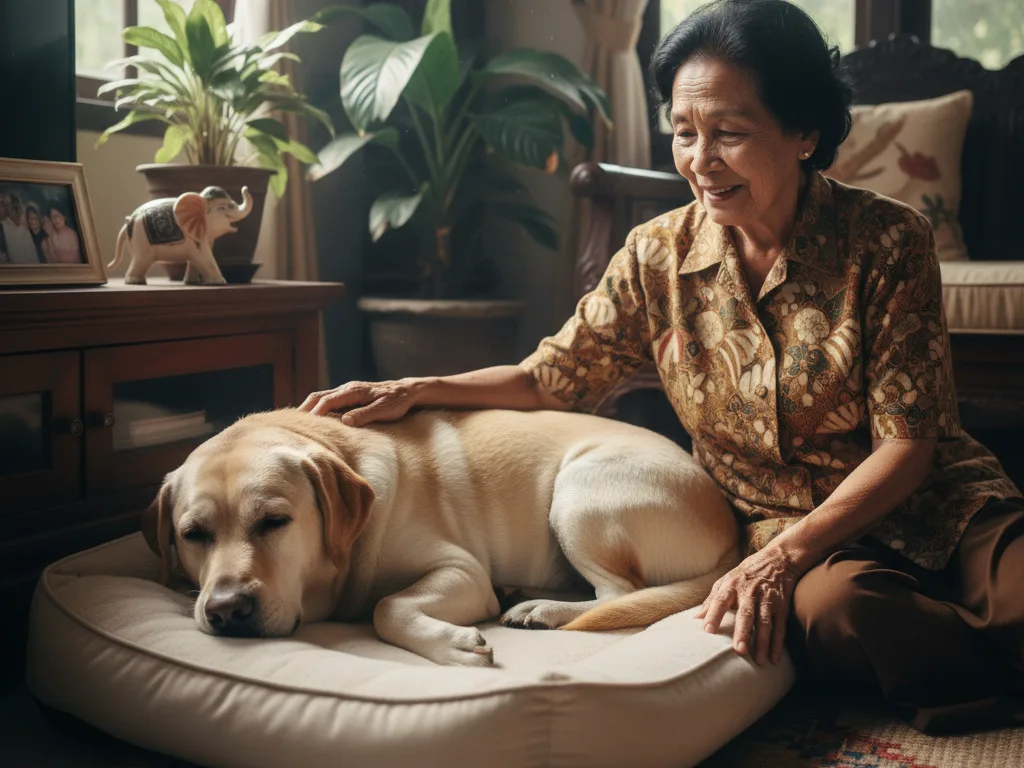
The dog who has been by your side for years is entering a different phase of life. Their needs change — and the right care can make a significant difference in both quality and length of life.
This is a practical guide for senior dog owners — what to watch for, what to adjust, and signs that should never be ignored.
Normal Changes in Senior Dogs
Don't Wait Until It's Too Late!
Normal Changes (No Need to Panic)
- Greying fur around the muzzle
- Sleeping more
- Moving slightly slower
- Reduced hearing
- Slightly diminished eyesight
- Shorter play sessions
Signs That Need Veterinary Evaluation
- Limping or difficulty getting up from the floor
- Chronic cough or labored breathing
- Drinking and urinating much more than usual
- Significant weight loss
- New lumps or bumps on the body
- Confusion, disorientation, forgetting routines
- Refusing to eat for more than 2 days
Adapting Care for Your Senior Dog
Adjusted Nutrition
Switch to a senior formula food with fewer calories, more easily digestible protein, and joint supplements. Watch their weight — senior dogs are prone to obesity (slower metabolism) but can also lose weight suddenly due to illness.
Modified Exercise
Senior dogs still need movement — but at lower intensity and shorter duration. Leisurely walks are better than running. Swimming is ideal exercise for arthritic dogs — no joint strain. Avoid heavy activity in hot weather.
Physical Comfort
Provide an orthopedic or memory foam bed — stiff joints need softer surfaces. Install ramps if your dog frequently climbs onto the sofa or into the car. Keep floors non-slip to prevent falls.
More Frequent Dental Care
Senior dogs are highly susceptible to dental disease. Regular brushing, dental treats, or professional scaling periodically. Accumulated tartar doesn't just cause bad breath — bacteria can enter the bloodstream and damage the kidneys and heart.
Mental Stimulation
Cognitive Dysfunction Syndrome (similar to Alzheimer's) can be partially prevented with mental enrichment. Puzzle feeders, simple command training, exploring new scents — all help keep your dog's brain active.
Commonly Recommended Supplements for Senior Dogs
⚠️ Consult your vet before starting any supplements — dosage and needs depend on individual condition.
Glucosamine + Chondroitin
Supports joint health, reduces arthritis symptoms
Omega-3 (EPA/DHA)
Natural anti-inflammatory, beneficial for joints, skin, and cognitive function
Probiotics
Supports gut health, which is often compromised in senior dogs
Antioxidants (Vit E, C)
Supports immune function and protects against cellular damage
Senior Checkup at Home — More Comfortable for Older Dogs
Older dogs with arthritis or chronic conditions often struggle and feel pain during the trip to a clinic. Birawa Vet brings all senior examination equipment — including blood draw and blood pressure measurement — directly to your home.
Book Senior Dog CheckupFrequently Asked Questions
At what age is a dog considered senior?
What diseases most commonly affect senior dogs?
Do senior dogs need special food?
How often should a senior dog have checkups?
Does my senior dog still need vaccines?
Medically Reviewed by
Birawa Vet Medical Team
This article has been verified by our medical team to ensure veterinary information accuracy.
The information in this article is for general educational purposes only and is not a substitute for direct consultation with a veterinarian.
Every pet has unique conditions. Do not hesitate to seek professional help if your pet is sick.
Share Article
Senior Pets Need Special Care
Not sure if your pet's symptoms are normal or urgent? Tell our vet — we help evaluate without requiring immediate booking.
Read Next
View All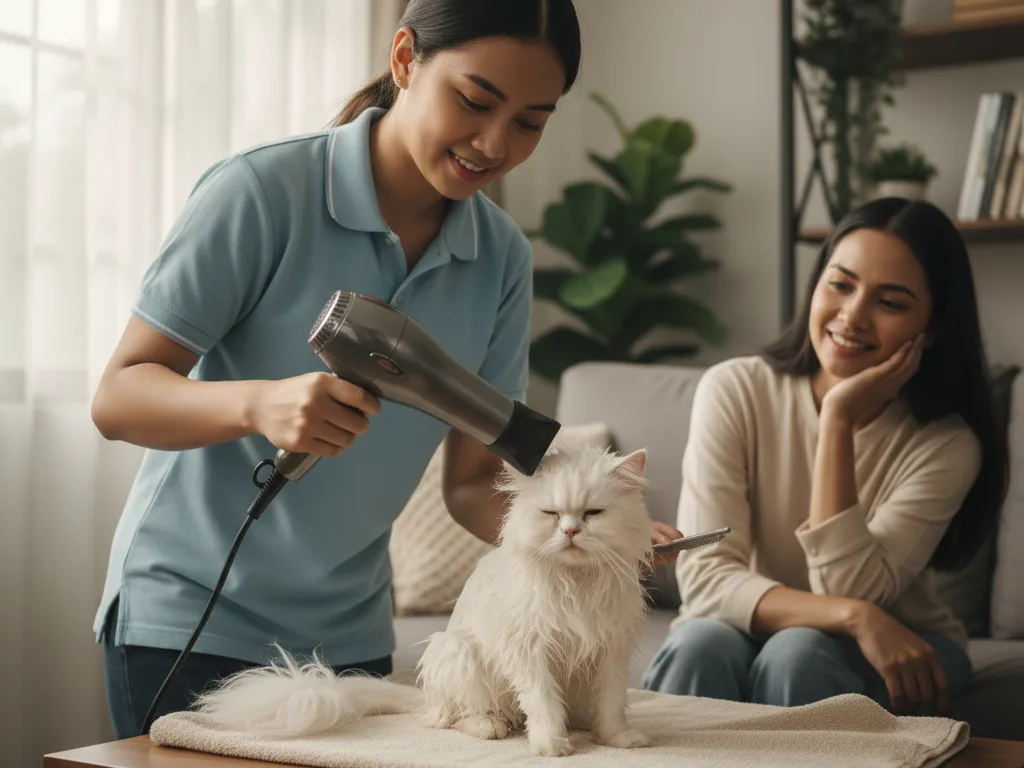
Cat Grooming at Home vs Salon: Which Is Cheaper and Safer?
Cat grooming at a salon vs a mobile groomer vs during a vet visit — which is more affordable and safer? A comparison of costs. Free WhatsApp consultation.
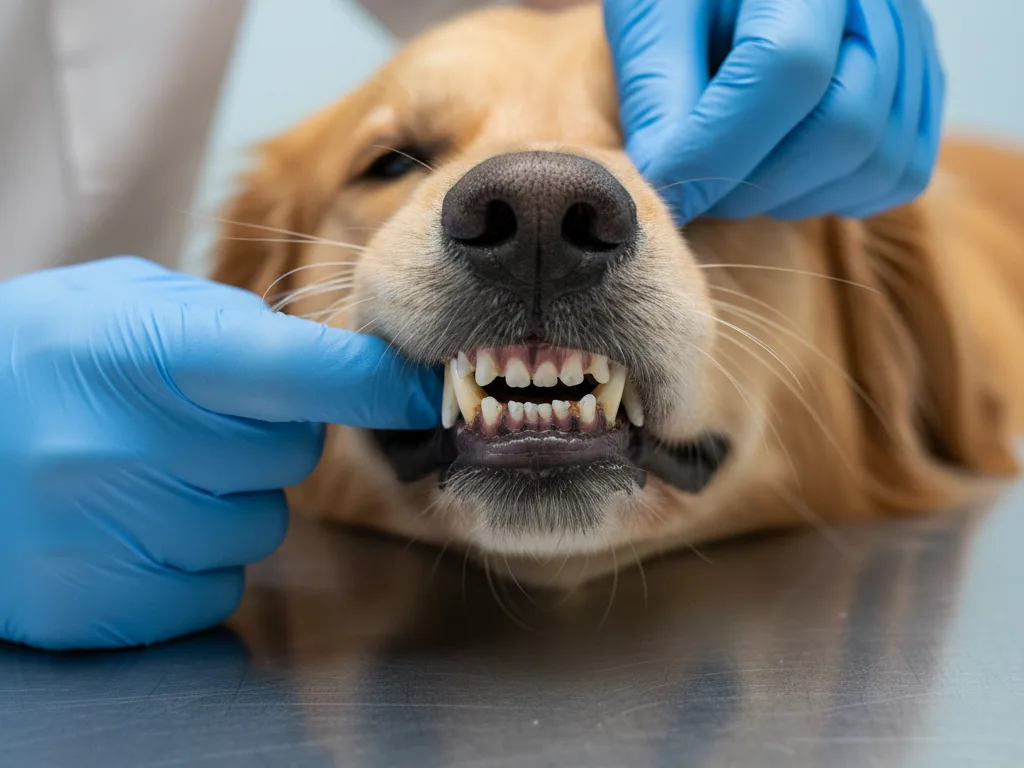
When Does a Dog Need Dental Scaling? Signs, Procedure & Cost 2026
Dog dental scaling is more than just cleaning — it's a medical procedure to prevent heart and kidney infections. Learn when your. Free WhatsApp consultation.
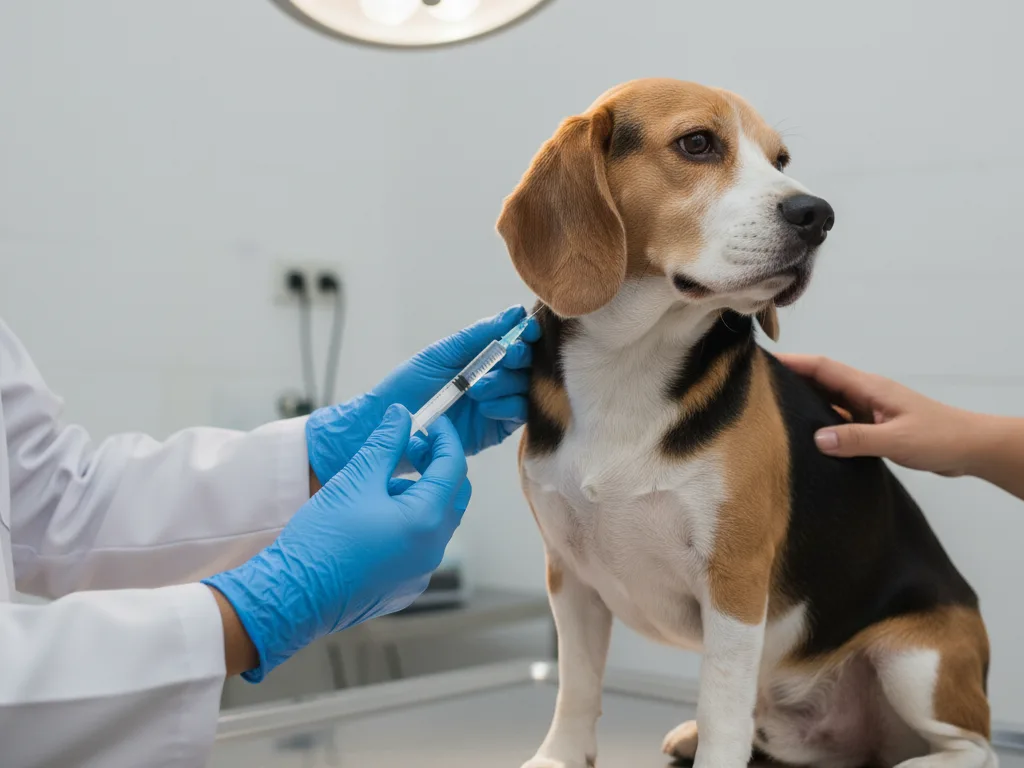
How Many Vaccines Does a Dog Need Per Year? Schedule & Cost
How many times a year does a dog need vaccines? Complete 2026 dog vaccination schedule: from puppy to adult, core and non-core. Free WhatsApp consultation.