Key Takeaways
Found a newborn kitten without its mother? This is a life-saving mission! Check out the feeding schedule, how to stimulate. Free WhatsApp consultation.
Complete Guide to Caring for an Orphaned Kitten: Age 0–8 Weeks
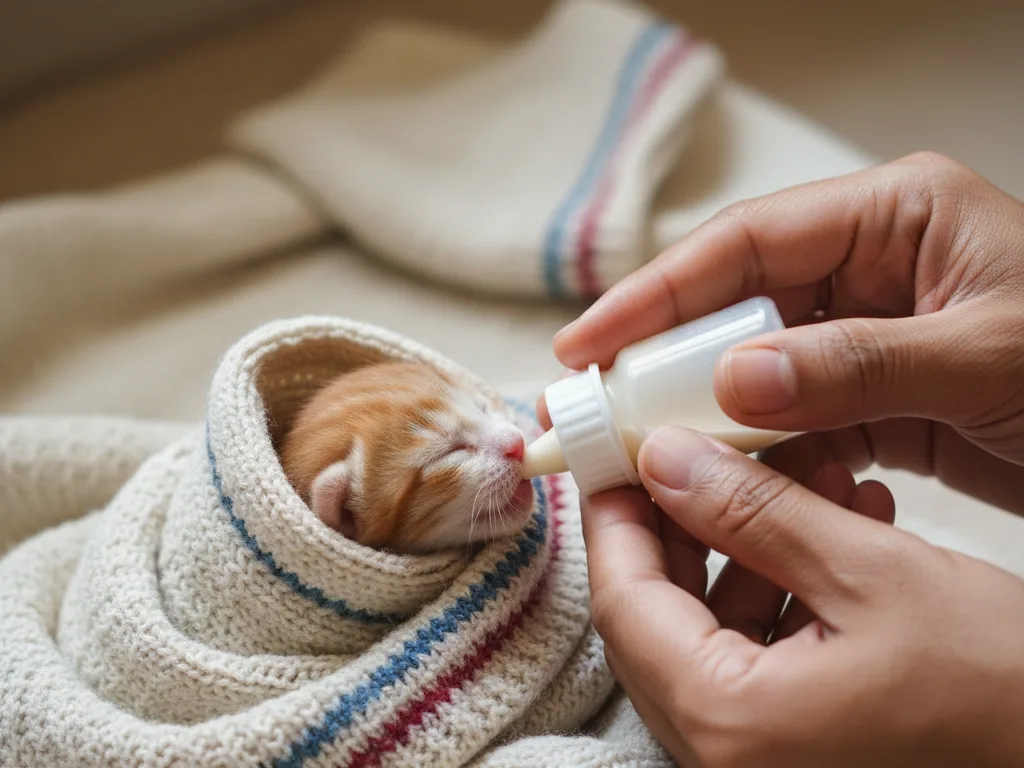
Finding a newborn kitten abandoned by its mother is a critical situation. Without proper warmth and nutrition, they can die within hours from hypothermia (cold) or hypoglycemia (blood sugar crash).
This article is an in-depth technical guide for those brave enough to take on the responsibility of being a foster parent.
1. Critical Phase: Maintaining Body Temperature
Don't Wait Until It's Too Late!
Kittens under 3 weeks old cannot regulate their own body temperature. Never feed a cold kitten, as its digestive system shuts down and milk will ferment in the stomach.
Warming Protocol:
- Use a heating pad covered with a thick towel, or a hot water bottle wrapped in fabric.
- DO NOT place it directly against the skin (risk of burns).
- Make sure there's a "cool side" in the box so the kitten can move away if too warm.
- Ideal environmental temperature: 29–32°C.
2. Nutrition: Milk & How to Feed It
Use quality powdered Kitten Milk Replacer (KMR). In an emergency, pure goat's milk is safer than cow's milk.
Correct Feeding Technique:
- Position: BELLY DOWN (stomach facing down), head slightly lifted. DO NOT place on its back like a human baby (extremely high risk of choking/aspiration — fatal).
- Equipment: Kitten-specific bottle nipple or a 1cc syringe (no needle) for very weak kittens.
- Milk Temperature: Lukewarm (test on your wrist).
3. Elimination: Helping Urination & Defecation
How to do it: Take a cotton ball or soft tissue, dampen with warm water. Gently rub the genital and anal area in small circular motions (like a mother's tongue) for 1–2 minutes AFTER every feeding.
4. Weekly Development Milestones
| Age | Characteristics & Tasks |
|---|---|
| 0–1 Week | Eyes closed, ears folded, umbilical cord present. Feed every 2 hours. Full stimulation for elimination required. |
| 2 Weeks | Eyes beginning to open (hazy blue). Starting to crawl. Feed every 3 hours. First deworming (consult a vet). |
| 3 Weeks | Ears upright, teeth starting to emerge. Starting to urinate independently (prepare a shallow litter box). |
| 4–5 Weeks | Weaning: Introduce wet food gruel. Starting to run around. |
| 6–8 Weeks | Fully eating solid food. First vaccination. Eye color starts to change permanently. |
When to See a Vet?
Kittens are extremely vulnerable to Fading Kitten Syndrome. Seek help immediately if:
- The kitten is limp and refuses to feed.
- Body temperature is cold despite warming attempts.
- Watery diarrhea or vomiting.
- Eyes sealed shut with discharge (Neonatal Ophthalmia).
- Fleas present (DO NOT use random flea medication — risk of poisoning).
Panggil Dokter ke Rumah
Frequently Asked Questions
Can kittens be given sweetened condensed milk or cow's milk?
How often does a kitten need to be fed milk?
Why does my kitten have a bloated belly but isn't urinating?
Medically Reviewed by
Birawa Vet Medical Team
This article has been verified by our medical team to ensure veterinary information accuracy.
The information in this article is for general educational purposes only and is not a substitute for direct consultation with a veterinarian.
Every pet has unique conditions. Do not hesitate to seek professional help if your pet is sick.
Share Article
Senior Pets Need Special Care
Not sure if your pet's symptoms are normal or urgent? Tell our vet — we help evaluate without requiring immediate booking.
Read Next
View All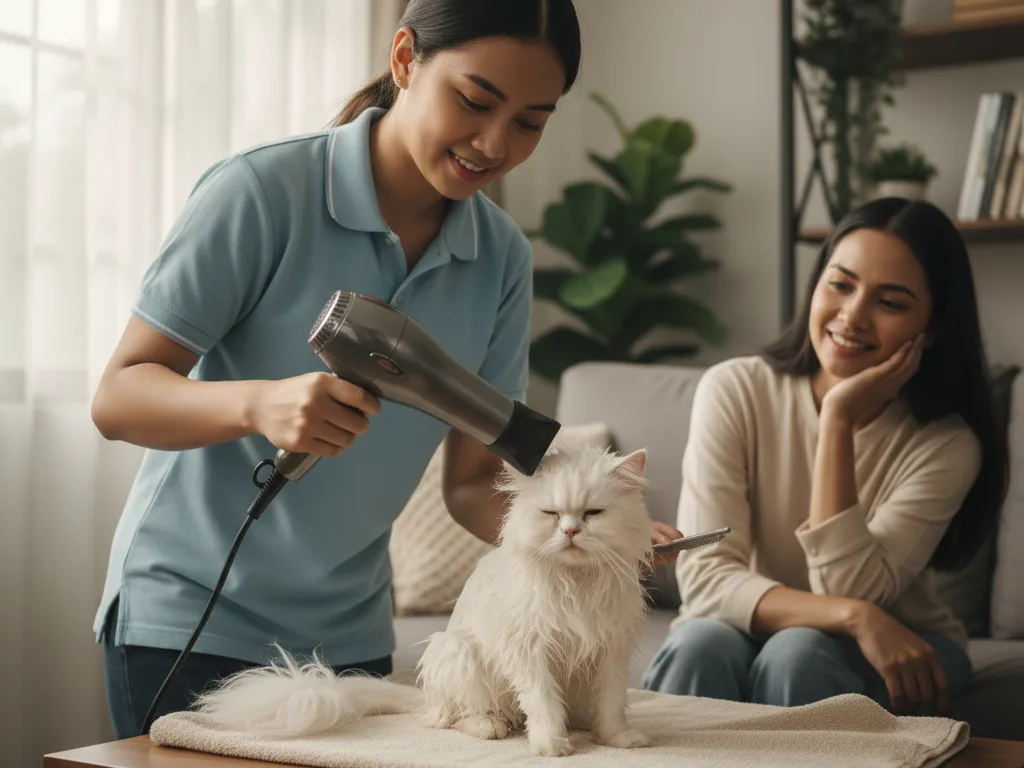
Cat Grooming at Home vs Salon: Which Is Cheaper and Safer?
Cat grooming at a salon vs a mobile groomer vs during a vet visit — which is more affordable and safer? A comparison of costs. Free WhatsApp consultation.
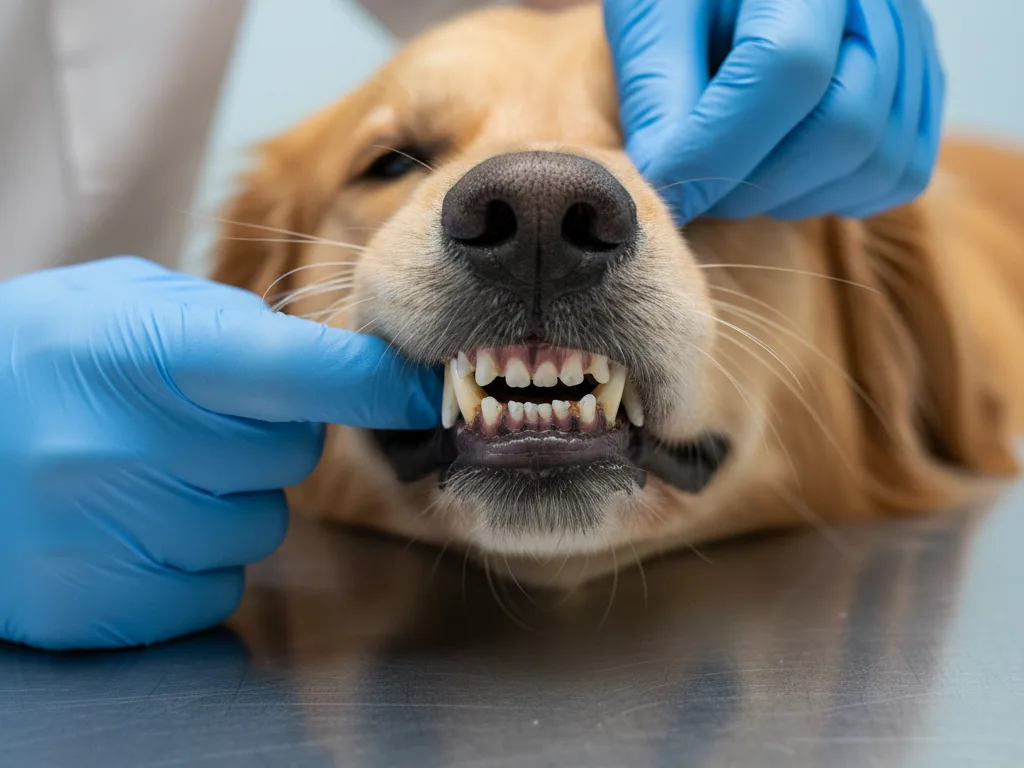
When Does a Dog Need Dental Scaling? Signs, Procedure & Cost 2026
Dog dental scaling is more than just cleaning — it's a medical procedure to prevent heart and kidney infections. Learn when your. Free WhatsApp consultation.
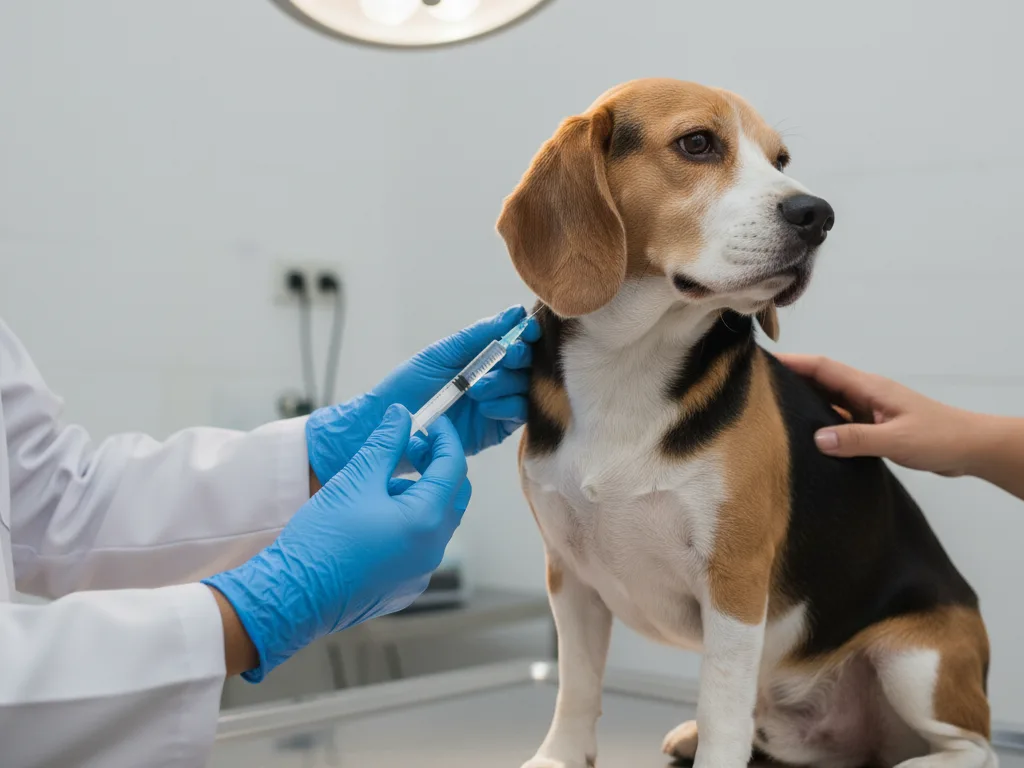
How Many Vaccines Does a Dog Need Per Year? Schedule & Cost
How many times a year does a dog need vaccines? Complete 2026 dog vaccination schedule: from puppy to adult, core and non-core. Free WhatsApp consultation.