Key Takeaways
Bathing your cat doesn't have to end in scratches and a runaway cat. With the right technique, proper preparation, and patience. Free WhatsApp consultation.
How to Bathe a Cat Properly at Home (Step-by-Step, No-Drama Guide)
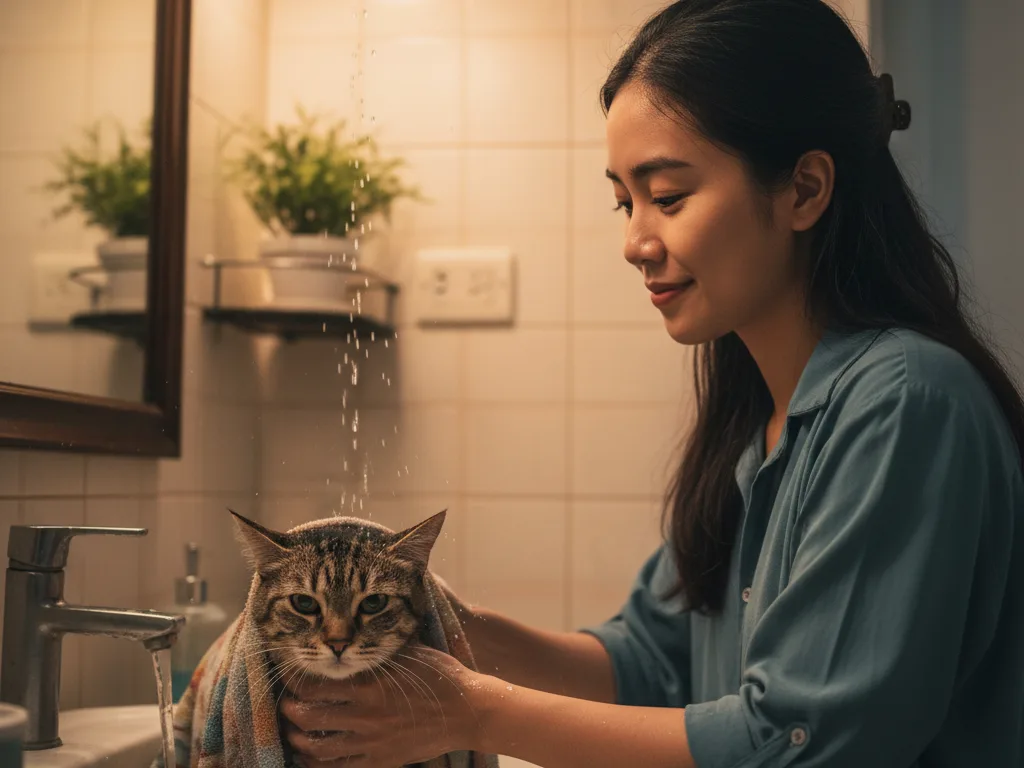
"I just bathed the cat, and now my hands are covered in scratches." — This doesn't have to be your story. Bathing a cat with the right technique can be far calmer than you think.
The key is not strength — it is the right preparation and timing.
Preparation Before the Bath (Important!)
Don't Wait Until It's Too Late!
Get all of this ready before picking up the cat — once your cat is in your hands, there is no chance to go searching for anything:
- Cat-specific shampoo (pH-balanced)
- 2–3 clean, warm towels (toss them in the dryer or sun-warm them first)
- Hair dryer with a low-heat setting
- Comb/brush (use before getting wet, not after)
- Cotton to cover the ears
- Your cat's favorite treats as a reward
- Long sleeves for yourself (protect your arms)
Step-by-Step: How to Bathe a Cat
Brush First, Trim Nails
Brush the coat to remove tangles before getting it wet — wet matted fur is much harder to detangle. Trim the nail tips by 1–2 mm to minimize the risk of injury when the cat squirms.
Plug the Ears with Cotton
Water in the ear canal can cause infection. Place a small piece of cotton in the ear opening (not too deep — just at the outer canal). Remember to remove it after bathing.
Wet the Body Slowly (Avoid the Head First)
Use a low-pressure shower head or pour gently with a cup. Start from the back going down. Avoid the face, ears, and eyes — these are the most sensitive areas and usually send the cat into panic if they're hit with water first.
Apply Shampoo and Massage Evenly
Pour shampoo on the back, massage all over the body — legs, belly, tail. For the head: use a damp cloth or apply shampoo with your hand very carefully, keeping it away from the eyes and ears. Medicated shampoos (antifungal/antibacterial) need 5 minutes of contact time before rinsing.
Rinse Until Truly Clean
Leftover shampoo causes skin irritation and the cat will keep licking its body. Rinse until the water runs clear and produces no foam — this usually takes longer than you'd expect, especially for long fur.
Dry Immediately and Thoroughly
Pat (don't rub) with a towel to absorb as much water as possible. Follow with a low-heat hair dryer, keep it 20–30 cm away, and keep moving so it doesn't get hot in one spot. Dry until completely dry — fur that stays damp for more than 2 hours encourages ringworm growth and chills the cat.
Reward and Praise
Give a treat and praise immediately after finishing. This is important for building a positive association with bathing — a cat that ends bath time with a reward will be more cooperative next time.
Alternatives for Cats Who Truly Hate Water
- Dry shampoo — sprinkle, massage into the coat, brush out. Not as effective as a wet bath for cleaning the skin, but fine for maintenance between baths.
- Pet wipes / grooming wipes — pet-specific wet wipes for quick cleanups after going outside or for spot-cleaning dirty fur.
- Spot bath — wet only the dirty area with a warm, damp cloth. No need to wash the whole body every time.
- Professional grooming service — experienced groomers have safe and efficient restraint techniques for difficult cats.
Found a Skin Issue During Bath Time?
If while bathing your cat you find bald patches, scabs, redness, or fleas — that's a sign you need a closer look. Birawa Vet doctors can come to your home for a skin evaluation and the right treatment.
Consult a VetFrequently Asked Questions
How often should a cat be bathed?
Can you use human shampoo or baby soap on a cat?
How do you bathe a cat that is very afraid of water?
Can a cat get sick from being wet after a bath?
What is the right water temperature for bathing a cat?
Medically Reviewed by
Birawa Vet Medical Team
This article has been verified by our medical team to ensure veterinary information accuracy.
The information in this article is for general educational purposes only and is not a substitute for direct consultation with a veterinarian.
Every pet has unique conditions. Do not hesitate to seek professional help if your pet is sick.
Share Article
Read Next
View All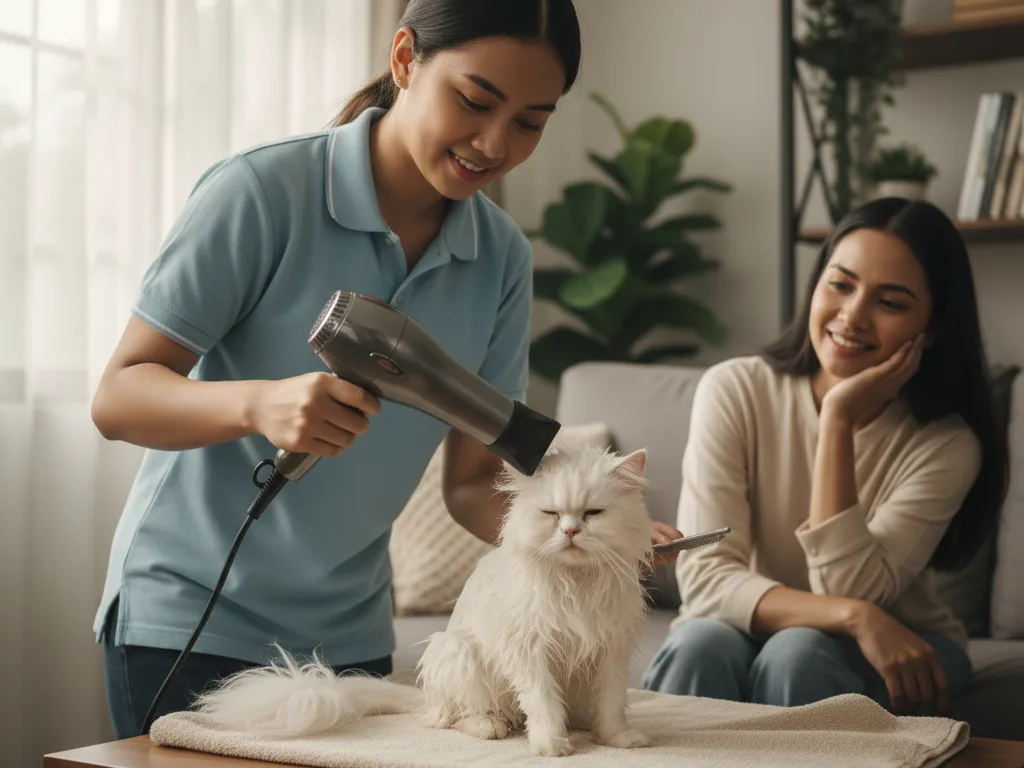
Cat Grooming at Home vs Salon: Which Is Cheaper and Safer?
Cat grooming at a salon vs a mobile groomer vs during a vet visit — which is more affordable and safer? A comparison of costs. Free WhatsApp consultation.
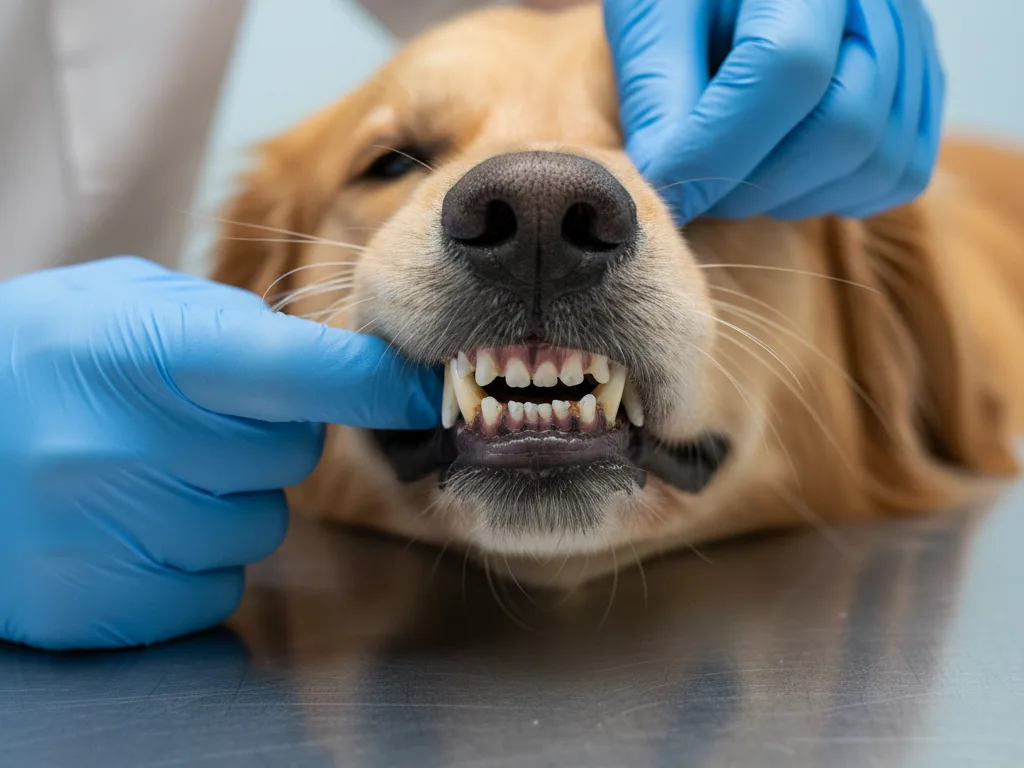
When Does a Dog Need Dental Scaling? Signs, Procedure & Cost 2026
Dog dental scaling is more than just cleaning — it's a medical procedure to prevent heart and kidney infections. Learn when your. Free WhatsApp consultation.
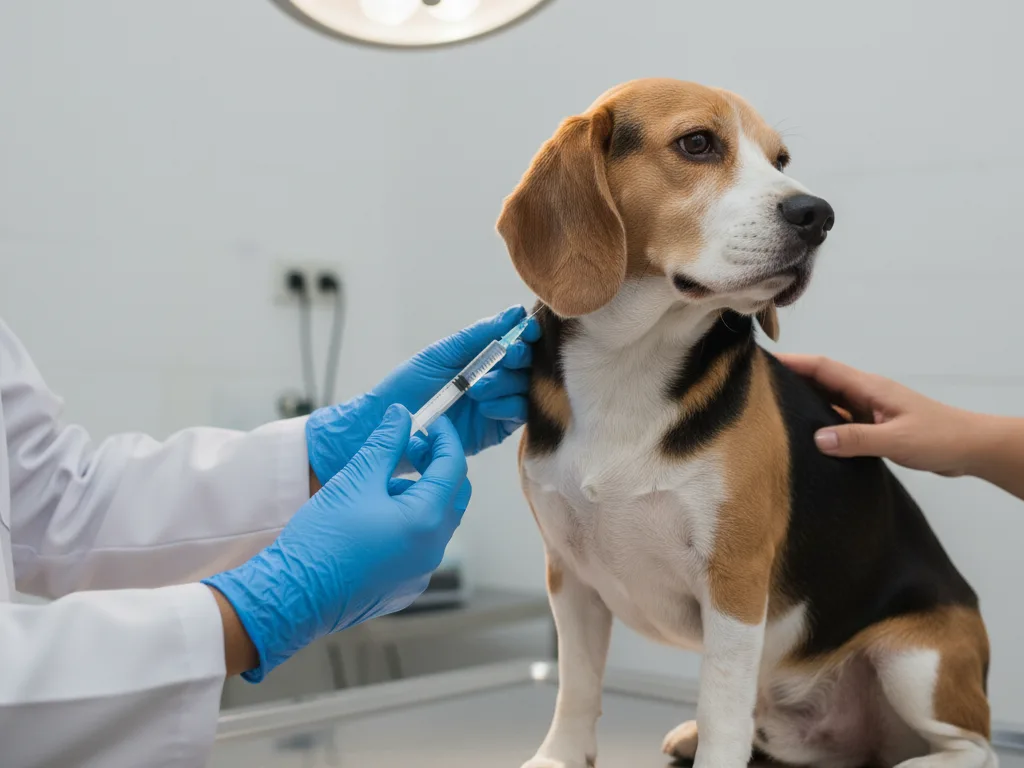
How Many Vaccines Does a Dog Need Per Year? Schedule & Cost
How many times a year does a dog need vaccines? Complete 2026 dog vaccination schedule: from puppy to adult, core and non-core. Free WhatsApp consultation.