Key Takeaways
The lush surroundings of Pejaten hide real risks of fleas and worms for your pets. Protect them with regular home. Free WhatsApp consultation.
Big Garden in Pejaten? Watch Out for Fleas & Worms
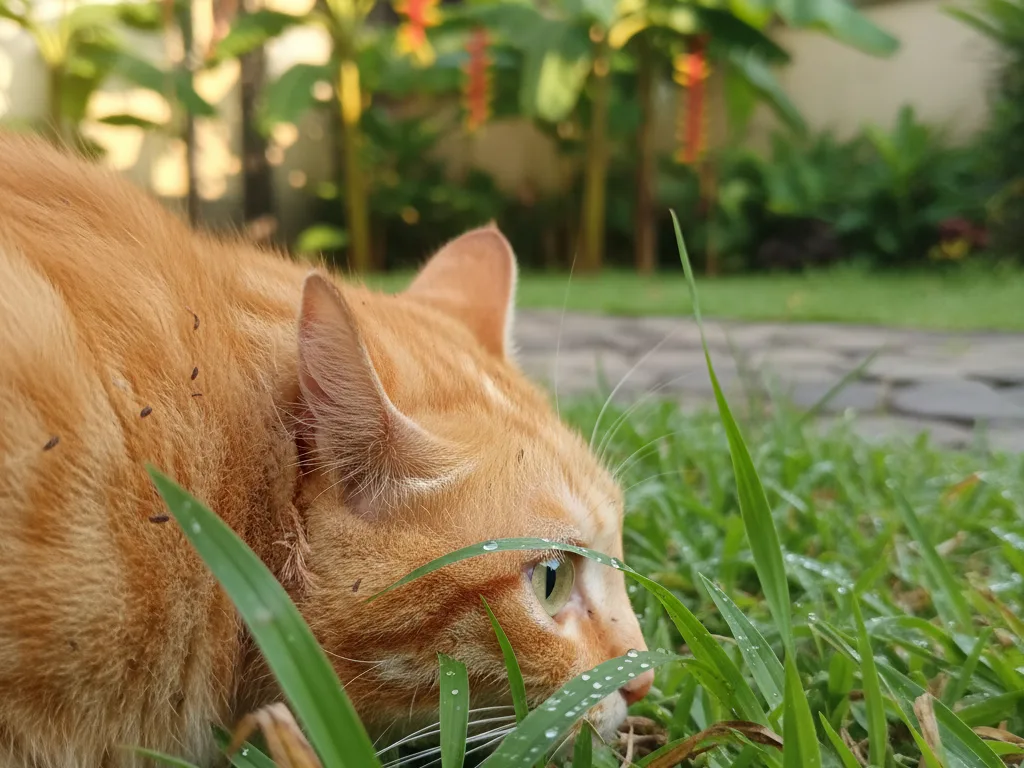
Pejaten and Jati Padang are known for their lush residential neighbourhoods, shady trees, and spacious gardens — one of the genuine advantages of living in South Jakarta. However, this green environment hides risks that many pet owners overlook: ectoparasites (fleas and ticks) and soil-transmitted intestinal worms.
Why Is the Pejaten Area High Risk?
Don't Wait Until It's Too Late!
Unlike pets living in small apartments without outdoor access, dogs and cats in Pejaten have access to grassy gardens, shrubs, and even open drains. This creates an ideal habitat for fleas, ticks, and worm larvae:
- Long grass and wet leaves: the favourite hiding spot for ticks (Rhipicephalus sanguineus), waiting for a host to pass by.
- Damp soil during the rainy season: Toxocara worm larvae can survive in soil for months and are ingested when animals lick their paws.
- Untreated neighbourhood dogs: fleas can transfer between animals when playing together in the same garden.
- Wildlife (rats, squirrels): primary carriers of fleas and ticks that frequently pass through residential areas.
Ectoparasites: Fleas, Ticks, and Their Real Dangers
1. Fleas — More Than Just an Itch
Adult fleas that bite animals do not just cause itching and skin irritation. The main dangers are:
- Flea Allergy Dermatitis (FAD): An extreme allergic reaction to flea saliva. Even a single bite can trigger a pet to scratch until the skin is severely wounded.
- Anaemia in kittens/young animals: Fleas drink blood. In small animals, heavy infestation can cause fatal blood loss.
- Tapeworm transmission (Dipylidium): Fleas swallowed during grooming can introduce tapeworms into the intestines.
- Home contamination: A single female flea lays 40–50 eggs per day. Within 3 weeks, carpets and sofas can become a flea nursery.
2. Ticks — The Silent Killer Most Feared
This is the greatest danger for dogs in Pejaten. Many owners do not realise their dog has picked up ticks from the garden grass until the animal develops a raging fever.
Tick Fever — A Medical Emergency Often Caught Too Late
Ticks transmit the protozoan parasite Babesia canis, which destroys red blood cells and causes acute anaemia. Within 48–72 hours, a dog may experience:
- Sudden high fever (40–41°C)
- Pale or yellowish gums (jaundice)
- Dark brown or red urine (haemoglobinuria)
- Extreme lethargy, refusing to eat or move
If untreated: organ failure and death within 3–7 days.
Endoparasites: Worms Living Inside the Body
Beyond external parasites, pets in Pejaten are also at high risk of intestinal worm infections. Transmission often goes unnoticed:
- Roundworms (Toxocara): Larvae live in soil. Pets become infected when they lick their paws after playing outside. Signs: a bloated belly, weight loss, dull coat.
- Hookworms (Ancylostoma): Penetrate the skin of paws when walking on contaminated soil. Particularly dangerous for kittens and puppies as they feed on intestinal blood.
- Tapeworms (Dipylidium/Taenia): Transmitted via swallowed fleas or raw meat.
- Heartworm (Dirofilaria): Transmitted by mosquitoes. The parasite grows inside the heart's blood vessels and can be fatal.
Self-Check: Examine Your Pet After Outdoor Play
After your dog plays in the garden, perform this routine check before coming back inside:
- Between the toes: A tick's favourite hiding spot. Check with your fingers or a fine-tooth comb.
- Inside and around the ears: Ticks often attach to the inner folds of the ear flap.
- Armpits and groin: Warm, thin-skinned areas — preferred by both fleas and ticks.
- Around the neck and collar: Check under the collar, a common path ticks use to attach.
- Base of the tail: An often-overlooked spot and a common flea location.
If you find an attached tick, do not squeeze or pull it forcefully. Use fine-tipped tweezers, grip as close to the skin as possible, and pull straight out slowly without twisting. A tick head left in the skin can cause a local infection.
Prevention Protocol for Pets in the Pejaten Area
Prevention is far cheaper than treatment — especially for Tick Fever, which requires IV drips, blood transfusions, and intensive hospitalisation. Here is the recommended schedule:
- Topical (spot-on) or oral antiparasitic medication — choose a product that also prevents ticks
- Manual check after every outdoor play session
- Oral deworming medication
- Pet-safe insecticide spray in damp corners of the garden
- Faecal examination (worm egg check) by a vet
- Full general check-up including skin and coat evaluation
- Consider blood testing for Tick Fever screening in active outdoor dogs
Environmental Hygiene: Breaking the Parasite Life Cycle
Treating the animal alone is not enough if the environment remains a parasite reservoir. For Pejaten homes with gardens, do the following:
- Keep the grass cut short and regularly: Ticks cannot survive in short grass exposed to direct sunlight.
- Avoid piles of dry leaves: These are favourite spots for fleas to lay eggs and ticks to hide.
- Control the rat population: Use traps or a pest control service. Rats are a primary tick reservoir and source of Rickettsia spread.
- Wash pet bedding weekly: With water at 60°C or higher to kill flea eggs and larvae.
- Spray play areas: Use pyrethrin- or permethrin-based insecticide spray that is safe for pets and people.
When to Contact a Vet Immediately
Contact a vet immediately if your pet shows:
- Sudden lethargy and refusal to move after outdoor play
- High fever (normal range: 38–39.2°C, measured rectally)
- Pale, white, or yellow gums and tongue
- Dark tea-coloured or red urine
- Rapidly distending belly, especially in young animals
- Extreme scratching causing bleeding skin wounds
- Finding a large, engorged tick (over 1 cm)
Home Visit Service for the Pejaten & Jati Padang Area
The Birawa Vet team provides home visit services to Pejaten, Jati Padang, and surrounding areas. In a single visit, the vet can:
- Full parasite check: Combing through the coat, checking ears, between toes, and hidden areas to detect fleas and ticks as early as possible.
- Administer the right antiparasitic medication: Dosage tailored to your pet's weight and the specific parasites found.
- Collect a faecal sample for worm examination (if needed).
- Environmental hygiene consultation: Recommendations on products and schedules suited to your garden's conditions.
Protect your beloved pet in your beautiful home with a thorough parasite check from a professional vet.
Book a Parasite Check — Pejaten AreaFrequently Asked Questions
How dangerous are fleas and ticks for dogs in Pejaten?
How do I prevent fleas and ticks in a pet living in a garden home?
What are the signs that a dog or cat has a tick infection (Tick Fever)?
How often should pets in the Pejaten area be checked for parasites?
Medically Reviewed by
Birawa Vet Medical Team
This article has been verified by our medical team to ensure veterinary information accuracy.
The information in this article is for general educational purposes only and is not a substitute for direct consultation with a veterinarian.
Every pet has unique conditions. Do not hesitate to seek professional help if your pet is sick.
Share Article
Read Next
View All
A Canary That Stops Singing: When It Is Medical, Not Just Moulting
A canary that stops singing is not always moulting. Learn when the silence is a natural phase and when it signals a health problem that needs a vet. Free WhatsApp consultation.
Sulcata Tortoise Won't Eat: Causes and When to See a Vet
Your sulcata on a food strike? Often it is not about taste but temperature, light, and enclosure care. Learn the causes and when to see an exotic vet. Free WhatsApp consultation.
Hedgehog Refusing Food or Bloating: When to See a Vet
Hedgehog refusing to eat or its belly looks bloated? Learn the warning signs, how it differs from a hibernation attempt, and when to see an exotic vet. Free WhatsApp consultation.