Key Takeaways
Almost every dog owner has seen their dog eat grass. It is very common and usually harmless — but there are certain conditions to. Free WhatsApp consultation.
Dog Keeps Eating Grass: Is It Dangerous or Normal?
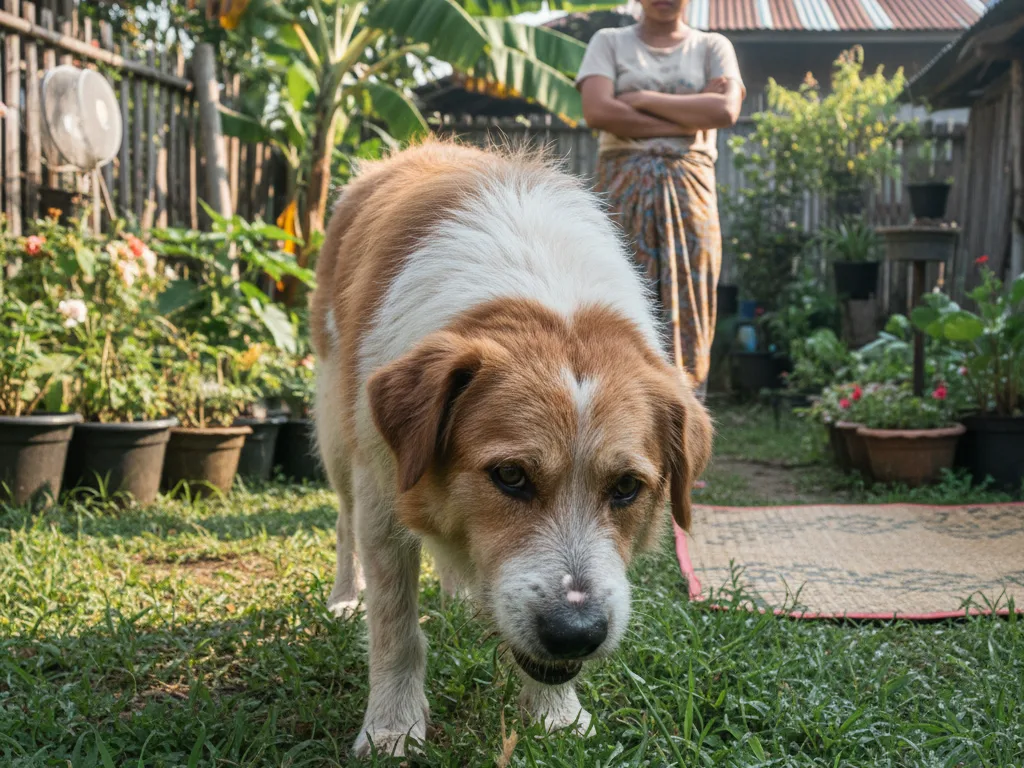
Is your dog eating grass again? Don't panic just yet — this is a very common behavior seen in almost every dog breed. Studies show that more than 70% of dogs have eaten grass at some point, and most of them never show any signs of illness afterward.
That said, there are some situations you should watch out for. Here is the practical guide.
Why Do Dogs Eat Grass? (The Leading Theories)
Don't Wait Until It's Too Late!
Ancestral Instinct
Wild wolves and wild canids do eat vegetation as a normal part of their diet — often along with the stomach contents of their prey (which contain partly digested plants). Dogs may have inherited this tendency despite thousands of years of domestication.
Soothing an Upset Stomach
This is the most popular theory. Dogs with an upset stomach eat grass to trigger the vomit reflex. Grass irritates the back of the throat and the stomach lining. However, research also shows that many dogs eat grass without looking sick and without vomiting afterward.
Looking for Fiber
Modern dog diets (especially low-quality dry food) are sometimes low in fiber. Fiber is essential for gut motility. Dogs may instinctively look for an extra source of fiber from vegetation.
Boredom or Liking the Taste
Some dogs eat young, fresh grass simply because they like it — young grass contains sugars that taste sweet. Dogs that lack stimulation or are bored also tend to eat non-food items more often (pica).
When Should You Worry About Grass Eating?
Watch Closely If:
- The frequency of grass eating suddenly spikes
- Repeated vomiting after eating grass (more than 2–3 times)
- Looks ravenous for grass and cannot be redirected
- Eating plants other than grass (ornamental plants, etc.)
See a Vet Immediately If:
- Blood in the vomit after eating grass
- Your dog ate a plant suspected to be toxic (lily, oleander, azalea)
- Accompanied by lethargy, loss of appetite, or diarrhea
- Obsessive eating of non-food items (pica) — could be a sign of anemia, nutrient deficiency, or a neurological issue
Garden Plants That Are Dangerous to Dogs
If your dog likes munching on plants, watch out for these around the house:
Highly Dangerous:
- • Lily (all species) — kidney failure in cats
- • Oleander — heart failure
- • Sago palm / Cycas palm — liver failure
- • Foxglove — cardiac arrhythmia
- • Azalea / Rhododendron
Use Caution:
- • Begonia
- • Aloe vera (more dangerous for cats)
- • Dieffenbachia / Philodendron
- • Scallions, shallots, garlic
- • Grapes (especially for dogs)
Tips to Reduce Grass-Eating Habits
- Add fiber to the diet — raw carrots, steamed green beans, or pumpkin are all safe for dogs
- Make sure your dog gets enough exercise — boredom is a leading cause
- Consistently train the "leave it" command when your dog approaches grass
- If GERD or another digestive issue is suspected, consult a vet — diet changes or antacids may be needed
Questions About Your Dog's Behavior?
Our Birawa Vet doctors can help evaluate whether your dog's behavior (including excessive grass eating) is linked to a medical condition. Consultation can be done via WhatsApp or with a home visit.
Consult a VetFrequently Asked Questions
Why do dogs eat grass?
Is it normal for a dog to eat grass and then vomit?
What types of grass or plants are dangerous for dogs?
How do you stop a dog from eating grass?
Do cats also eat grass and is it normal?
Medically Reviewed by
Birawa Vet Medical Team
This article has been verified by our medical team to ensure veterinary information accuracy.
The information in this article is for general educational purposes only and is not a substitute for direct consultation with a veterinarian.
Every pet has unique conditions. Do not hesitate to seek professional help if your pet is sick.
Share Article
Senior Pets Need Special Care
Not sure if your pet's symptoms are normal or urgent? Tell our vet — we help evaluate without requiring immediate booking.
Read Next
View All
General Vet vs. Specialist: What's the Difference and When Do You Need a Specialist?
Not every condition requires a specialist — and not every condition can be handled by a general vet. Understanding the difference. Free WhatsApp consultation.

Side Effects & Benefits of Spaying/Neutering Cats & Dogs: Facts vs Myths
Afraid to spay or neuter your pet because of rumoured side effects? Here are the scientific facts about long-term benefits, real. Free WhatsApp consultation.

Signs a Cat Is About to Give Birth & Emergency Prep
Is your heavily pregnant cat getting restless? Learn the stages of labour from early signs to delivery. Watch out for Dystocia. Free WhatsApp consultation.