Key Takeaways
Dog scratching constantly, biting paws, or rolling on the floor? This isn't just "normal itching." There are 6 main causes — from. Free WhatsApp consultation.
Dog Constantly Scratching & Itching: 6 Main Causes and How to Treat Them

An dog scratching occasionally is normal. A dog that can't stop scratching, biting paws, rubbing its face on the floor, or rolling endlessly — that's a signal that needs attention.
Pruritus (itching) is one of the most common dermatological complaints in dogs, and its causes can be very varied. Identifying the cause is the key to choosing the right treatment.
6 Main Causes of Constant Dog Itching
Don't Wait Until It's Too Late!
Ectoparasites: Fleas, Sarcoptic Mites (Scabies), Demodex Mites
The most common cause and easiest to treat once detected. Fleas cause itching mainly on the back and tail. Sarcoptes causes extreme itching, crusting, and is highly contagious to humans.
Environmental Allergies (Atopic Dermatitis)
An excessive immune response to environmental allergens: pollen, dust, dust mites, mold. Regular check-ups are important to monitor this chronic skin condition.
Food Allergies
Often suspected, but less common than environmental allergies. Most common allergens: beef, chicken, dairy, wheat proteins. Non-seasonal — itching year-round. The only valid diagnostic method is a strict 8–12 week elimination diet.
Secondary Skin Infection (Pyoderma / Malassezia)
Often not the primary cause, but a consequence of scratching. Abraded skin becomes infected with bacteria (Staphylococcus) or yeast (Malassezia). These infections then worsen the itching — a cycle that must be broken.
Contact Dermatitis
A reaction to materials in direct contact with the skin: bath soap, shampoo, coat conditioner, laundry detergent on bedding, certain grasses, or chemically treated carpets.
Flea Allergy Dermatitis (FAD)
Different from a regular flea infestation — a dog allergic to flea saliva can experience severe itching from just ONE flea bite. Even when no fleas are visible on the dog's body.
Need Help Right Away?
Don't let your dog suffer from severe itching. Consult with our vet via WhatsApp.
Ask the Vet via WhatsAppWhat You Can Do at Home
- Check for fleas: Comb the fur with a fine-toothed comb over white paper — "flea dirt" appears as black specks that turn reddish when dampened.
- Bathe with oatmeal shampoo — this can help soothe the skin.
- Prevent further injury: If your dog scratches until the skin breaks, use an e-collar while waiting for a vet appointment.
Dog Scratching Non-Stop? Birawa Vet Can Come to You
Chronic untreated itching leads to skin infections that become harder and harder to treat. We provide Home Visit Vet Services in South Jakarta for a thorough skin examination from the comfort of your home.
Book a Skin Examination NowFrequently Asked Questions
What is the most common cause of a dog constantly itching?
How do you tell if a dog's itching is from fleas vs allergies?
Are food allergies common in dogs?
When should a dog's itching require an immediate vet visit?
Can flea/tick preventatives stop the itching?
Medically Reviewed by
Birawa Vet Medical Team
This article has been verified by our medical team to ensure veterinary information accuracy.
The information in this article is for general educational purposes only and is not a substitute for direct consultation with a veterinarian.
Every pet has unique conditions. Do not hesitate to seek professional help if your pet is sick.
Share Article
Read Next
View All
A Canary That Stops Singing: When It Is Medical, Not Just Moulting
A canary that stops singing is not always moulting. Learn when the silence is a natural phase and when it signals a health problem that needs a vet. Free WhatsApp consultation.

Sulcata Tortoise Won't Eat: Causes and When to See a Vet
Your sulcata on a food strike? Often it is not about taste but temperature, light, and enclosure care. Learn the causes and when to see an exotic vet. Free WhatsApp consultation.
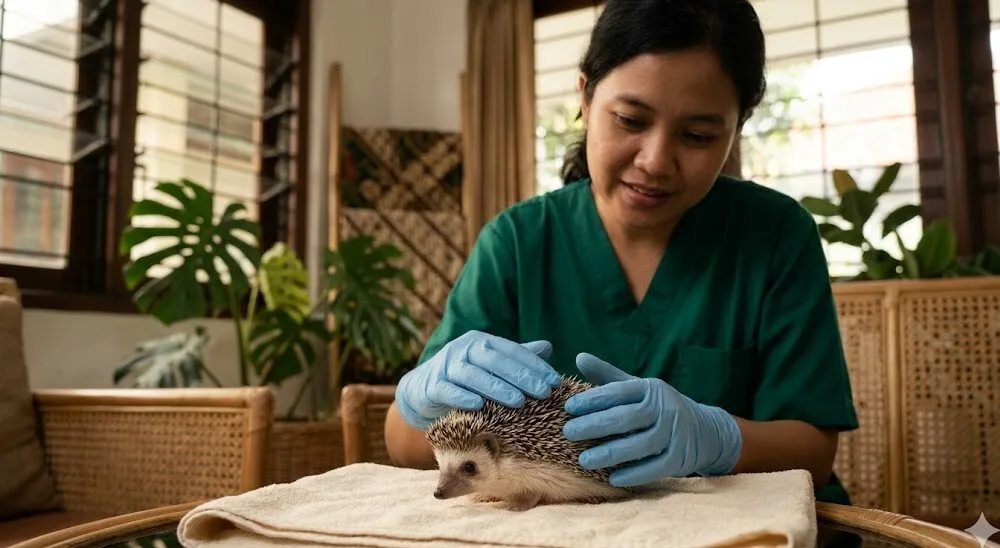
Hedgehog Refusing Food or Bloating: When to See a Vet
Hedgehog refusing to eat or its belly looks bloated? Learn the warning signs, how it differs from a hibernation attempt, and when to see an exotic vet. Free WhatsApp consultation.