Key Takeaways
A dog with diarrhea that is still eating and acting lively often confuses owners. This article helps distinguish mild diarrhea. Free WhatsApp consultation.
Dog Has Diarrhea But Still Active: Emergency Vet or Just a Home Visit?
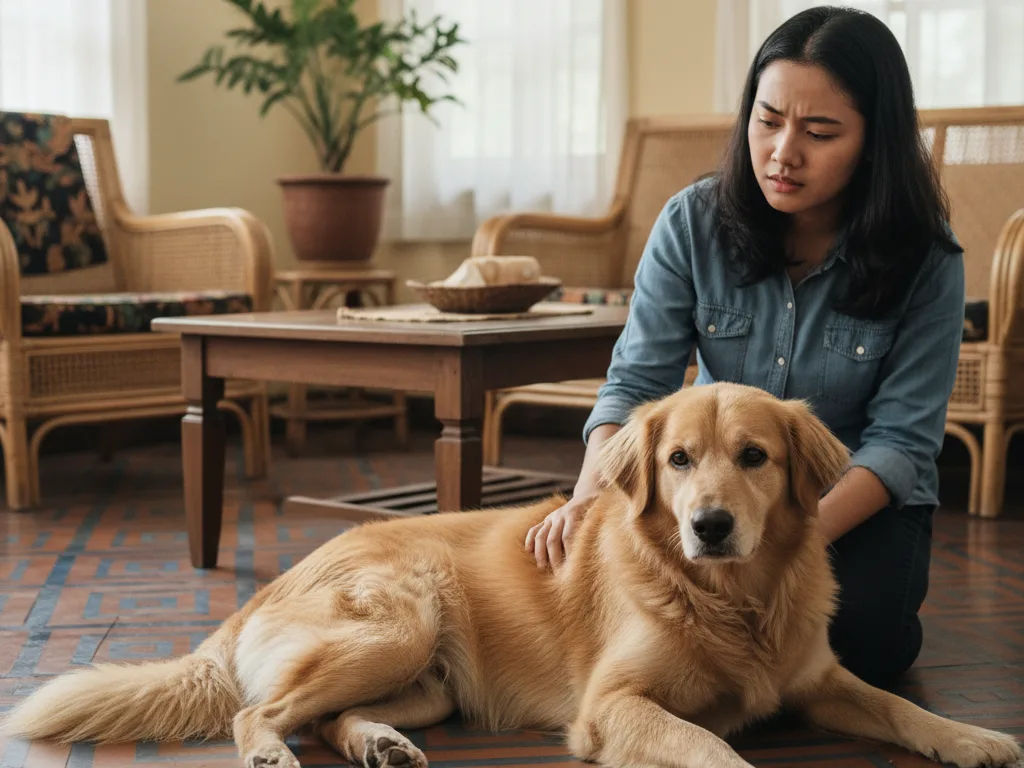
Seri: Triage & Home Visit
Many owners feel confused when their dog has diarrhea but is still active and eating normally.
On one hand, you're relieved because your dog is still playing actively. On the other hand, diarrhea left too long can cause dehydration and other digestive tract issues. It's important to know when it's enough to monitor at home, when to schedule a home visit, and when to go immediately to a 24-hour veterinary hospital.
1. Recognize the Pattern: Occasional, Recurring, or Chronic?
Don't Wait Until It's Too Late!
The first step is to observe the diarrhea pattern:
- Occasional diarrhea: stools are softer than usual but only occur 1–2 times and then improve.
- Recurring diarrhea: loose stools several times a day for more than 24 hours.
- Chronic diarrhea: lasting more than 2 weeks, sometimes improving but frequently returning.
Recurring or chronic diarrhea, even if your dog still appears active, still risks causing fluid deficiency and impaired nutrient absorption.
2. Warning Signs That Should Not Be Ignored
Watch for these signs that make diarrhea more concerning:
- Diarrhea mixed with blood or dark red mucus.
- Accompanied by repeated vomiting, especially if the dog refuses to eat at all.
- The dog becomes lethargic, reluctant to move, or breathing appears abnormal.
- Fever, visibly bloated abdomen, or apparent pain when the belly is touched.
If any of the above signs appear, don't delay. Treat this situation as a potential emergency. You can read the guide on seriously ill pet emergencies to understand treatment priorities.
3. Relationship with Eating Patterns and Activity
The fact that your dog is still active is a positive sign, but not a guarantee of safety. A few things to watch:
- Is the dog still willing to drink without vomiting afterward?
- Does diarrhea happen after every meal or at random times?
- Have you recently changed food, given new treats, or did the dog eat any human food?
If your dog was recently taken to a café or public place, the diarrhea may have been triggered by unsuitable food. You can check the guide on safely bringing your pet to a café in Jakarta to understand food and environmental risks.
4. When Is a Home Visit Enough, and When to Go to the Vet Hospital?
Practically speaking, you can use the following guide:
- Home Visit Suitable: diarrhea 1–3 times in 24 hours, no blood, dog is still willing to drink, still active, and no repeated vomiting.
- Better to Go to Vet Hospital: repeated watery diarrhea with blood, lethargic dog, continuous vomiting, or showing other emergency signs.
To help assess the severity before leaving home, you can read the 24-hour vet triage guide for South Jakarta .
5. Information to Prepare Before Chatting with the Vet
To help the vet provide accurate initial triage via WhatsApp, prepare the following information:
- Your dog's age, weight, and breed.
- When diarrhea started and how many times it has occurred in 24 hours.
- Stool consistency (soft, watery, mixed with mucus or blood).
- Whether there is vomiting, loss of appetite, or behavioral changes.
- A short video of the dog walking and showing symptoms.
You can use message templates from the WhatsApp vet chat templates so information is sent more clearly and systematically.
6. Don't Delay If Diarrhea Continues
Even if your dog is still active, diarrhea lasting more than 1–2 days risks causing dehydration and electrolyte imbalance. In puppies and small dogs, this condition can worsen more quickly.
With a home visit, the vet can examine your dog at home, assess the level of dehydration, and provide initial treatment without stressing your pet with travel and waiting rooms.
Conclusion: Mild Diarrhea Still Needs Monitoring
A dog with diarrhea that is still active may not seem too alarming, but that doesn't mean it can be ignored. Observe the diarrhea pattern, warning signs, and overall behavioral changes.
If you're unsure, send a brief timeline, a photo of the stool (if possible), and your location via WhatsApp. The Birawa Vet team will help assess whether a home visit is sufficient or whether an immediate trip to the nearest vet hospital is needed.
Is Your Dog's Diarrhea Worrying You?
Send a video, how often the diarrhea is occurring, and what your pet last ate. We'll help assess the situation and recommend the safest next steps for your pet.
Consult About Dog Diarrhea via WhatsAppFrequently Asked Questions
Is it normal for a dog to have diarrhea but still be active?
When is a dog's diarrhea considered an emergency?
Can mild diarrhea be treated via a home visit?
Medically Reviewed by
Birawa Vet Medical Team
This article has been verified by our medical team to ensure veterinary information accuracy.
The information in this article is for general educational purposes only and is not a substitute for direct consultation with a veterinarian.
Every pet has unique conditions. Do not hesitate to seek professional help if your pet is sick.
Share Article
Senior Pets Need Special Care
Not sure if your pet's symptoms are normal or urgent? Tell our vet — we help evaluate without requiring immediate booking.
Read Next
View All
Emergency Guide: When Should You Rush to a 24-Hour Animal Hospital?
A practical guide for pet owners: emergency signs that cannot be delayed, when a home visit can still help, and when you must go. Free WhatsApp consultation.
Sunday & Emergency Vet in South Jakarta for Expats: Triage in English, When to Call Us vs a 24-Hour Animal Hospital
Practical Sunday/emergency vet guide for expats in South Jakarta — when a Birawa Vet home visit is enough vs when you need a 24-hour animal hospital nearby. English-speaking triage on WhatsApp.

7 WhatsApp Message Templates for Your Vet: So the Doctor Understands Your Pet's Condition Right Away
A collection of WhatsApp message examples for your vet covering various situations: from booking a vaccine, checking the service. Free WhatsApp consultation.